(940) 242-2022
Common Signs of Oral Cancer You Shouldn’t Ignore
Oral cancer often flies under the radar, but it can significantly impact your health if detected late.
Many people overlook the signs, assuming they are just minor issues. However, understanding the common symptoms can make a world of difference. Early detection can lead to better outcomes and even save lives.
Have you ever noticed a persistent sore in your mouth or an unusual lump?
These could be early warning signs of oral cancer. By staying informed and vigilant, you empower yourself to catch potential problems before they escalate.
In this blog, we’ll explore the key signs you shouldn’t ignore, the risk factors associated with oral cancer, and essential self-examination techniques. Whether you’re a concerned individual or simply want to learn more, this information is crucial for everyone.
So, let’s dive into this critical topic and raise awareness together!
What is Oral Cancer?
Oral cancer encompasses a variety of malignancies that can develop in any part of the mouth, including the lips, tongue, cheeks, and throat. The most common type is squamous cell carcinoma, which originates from the flat cells lining the mouth. Understanding oral cancer is crucial for early detection and effective treatment.
Here are some vital statistics and facts to consider:
- Prevalence: Oral cancer accounts for about 3% of all cancers in the United States, with over 54,540 new cases diagnosed annually.
- Demographics: It predominantly affects adults over 40, but younger individuals can also be diagnosed.
- Survival Rates: Early-stage oral cancer has an 80-90% survival rate, highlighting the importance of awareness and early detection.
- Risk Factors: Factors like tobacco use, excessive alcohol consumption, and HPV infection significantly increase the risk of developing oral cancer.
Understanding oral cancer can empower individuals to take control of their health and seek regular check-ups. Knowledge is the first step toward prevention, so let’s keep learning together!
Common Symptoms of Oral Cancer
Being aware of the common symptoms of oral cancer can help you identify potential issues early. Here are the signs you shouldn’t ignore:
- Persistent Mouth Sores: Sores that don’t heal within two weeks can signal trouble. Monitor them closely.
- Unexplained Bleeding: If you notice blood in your mouth without an obvious cause, seek help right away.
- Lumps or Thickening: Check for any unusual lumps in your cheeks, neck, or mouth that feel hard or painful.
- Difficulty Swallowing or Chewing: If you experience discomfort while eating or swallowing, don’t dismiss it.
- White or Red Patches: Patches that appear on the tongue, gums, or lining of the mouth may indicate precancerous changes.
- Numbness or Pain: Persistent numbness or pain in your mouth, lips, or throat should be evaluated.
Look for these visual cues during your daily oral hygiene routine. Early detection can lead to better treatment outcomes, so keep an eye out!
Risk Factors for Developing Oral Cancer
Understanding the risk factors can help you make informed decisions about your health. Here are the main contributors to oral cancer:
- Tobacco Use: Smoking and chewing tobacco significantly increase the risk. Tobacco contains carcinogens that damage cells in the mouth.
- Alcohol Consumption: Heavy drinking compounds the effects of tobacco, raising your risk even further. Moderation is key.
- HPV Infection: The human papillomavirus (HPV) is linked to an increased risk of oropharyngeal cancers. Practicing safe sex can reduce your risk.
- Sun Exposure: UV radiation can lead to lip cancer. Always protect your lips with sunscreen or lip balm when outdoors.
- Poor Oral Hygiene: Neglecting your dental care can result in inflammation and lesions that may develop into cancer over time.
- Diet: A diet low in fruits and vegetables may heighten your risk. Incorporate a variety of colorful produce to boost your defenses.
Being aware of these risk factors empowers you to make healthier choices. Take action today!
The Importance of Regular Dental Check-Ups
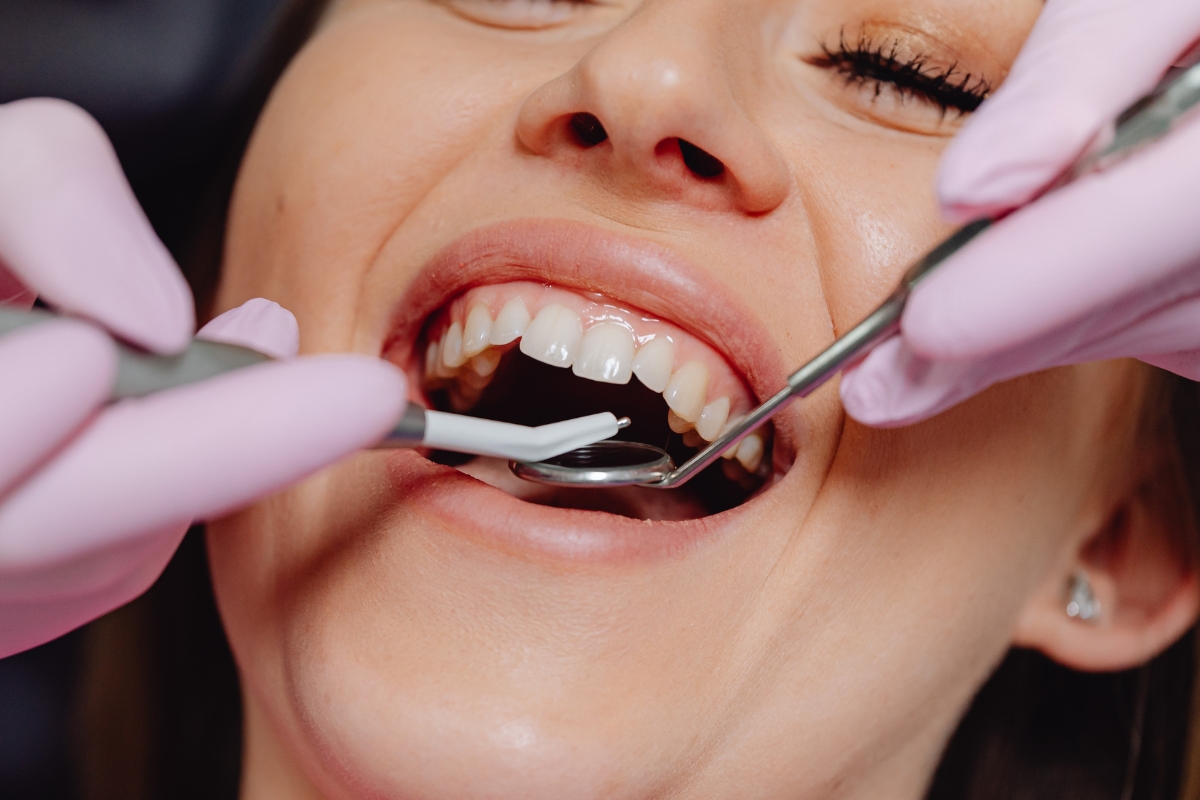
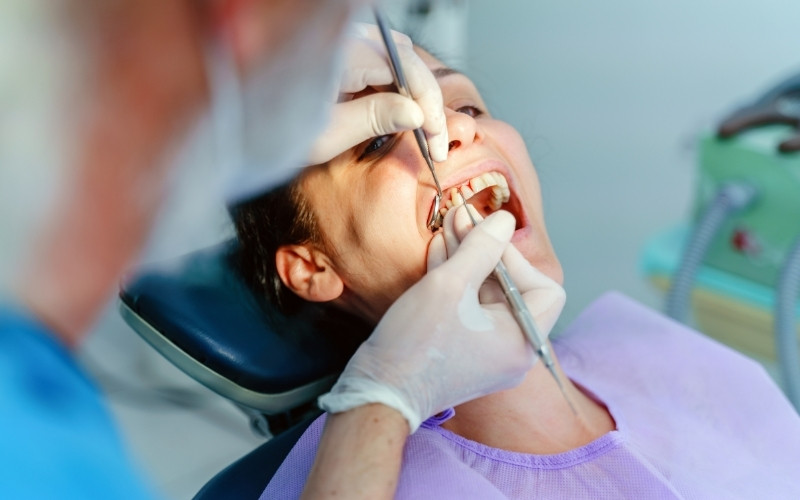
Regular dental check-ups play a critical role in maintaining oral health. Your dentist serves as your first line of defense against oral cancer. Here’s why you should make those appointments a priority:
- Early Detection: Dentists are trained to spot the early signs of oral cancer during routine examinations. Catching symptoms early can significantly impact treatment outcomes.
- What to Expect: During your visit, your dentist will perform a thorough examination of your mouth, throat, and neck, checking for unusual lumps, sores, or patches.
- Frequency: Aim for a dental check-up at least twice a year. If you have risk factors, your dentist may recommend more frequent visits. If you’re unsure where to start, search for a dentist near me online to find local options.
Self-Examination Techniques
Performing regular self-exams can help you identify potential oral cancer signs early. Here’s how to do it effectively:
- Gather Your Tools: You’ll need a mirror and a flashlight. Make sure you have good lighting.
- Find a Comfortable Spot: Sit in front of a well-lit mirror where you can see your mouth clearly.
- Inspect Your Mouth: Start by examining your lips for any lumps or unusual color changes. Open your mouth wide and check your gums and tongue.
- Look for Sores: Pay attention to any sores, especially if they persist beyond two weeks.
- Check for Lumps: Feel your neck and jaw for any lumps or thickening in the tissue.
- Observe Your Throat: Tilt your head back and look at your throat. Swollen tonsils or red patches may indicate issues.
When to Seek Professional Help?
Knowing when to seek professional help is crucial for maintaining your oral health. Here are the signs that require immediate attention:
- Persistent Symptoms: If you experience any symptoms lasting more than two weeks, consult a dental professional.
- Severe Pain: Unexplained or severe pain in your mouth, throat, or neck can signal a serious issue. Don’t ignore it.
- Changes in Eating or Drinking: Difficulty swallowing or chewing, particularly if it worsens over time, requires prompt evaluation.
- Rapidly Changing Sores: Sores that change color, size, or appearance should be assessed by a dentist or healthcare provider.
Staying informed about the signs of oral cancer can empower you to take charge of your health. Awareness and early detection make all the difference. Regular check-ups and self-examinations are your best tools in this fight. Don’t wait for symptoms to escalate; act now! Whether you have concerns or simply want to stay proactive, reach out to your dentist. Together, we can combat oral cancer and ensure a healthier future. Your mouth deserves the best care!