(940) 242-2022
Top Questions to Ask Your Orthodontist Near You Before Getting Braces
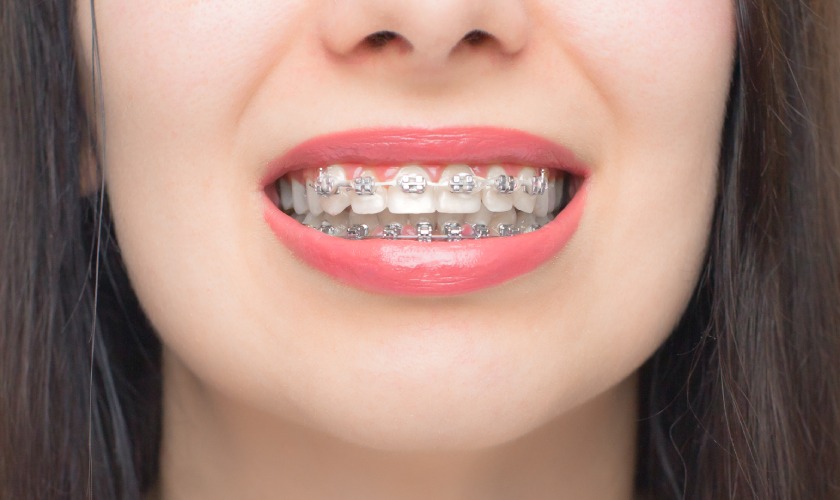
Thinking about getting braces?
It’s a big decision, and it’s normal to have lots of questions. Whether you’re a teen, a parent, or an adult, asking the right questions before starting treatment can make a huge difference in your experience.
The answers you get will help you understand what to expect, ensure you’re comfortable with the process, and make sure you’re getting the best treatment for your needs.
Braces are a big commitment, so it’s essential to be well-informed. From choosing the right type of braces to understanding the costs and timeline, your orthodontist should be ready to answer any question.
In this blog, we’ll explore the top questions to ask your orthodontist before starting braces treatment. You’ll learn about treatment plans, costs, and post-treatment care so that you can confidently move forward with your decision.
Ready to get started? Let’s dive into what you need to know before embarking on your journey to a healthier, more beautiful smile!
What Types of Braces Are Available?
Braces come in several types, and finding the right one for you can depend on various factors, including aesthetics, comfort, and treatment time. Each option has its unique advantages, so it’s important to choose one that fits your lifestyle and goals.
- Traditional Metal Braces: These are the most common and effective type. They are durable and can handle severe misalignment, but they’re also the most noticeable.
- Ceramic Braces: These function similarly to metal braces but use clear or tooth-colored brackets, making them less visible. They’re ideal for those who want to minimize the appearance of braces.
- Lingual Braces: Placed on the inside of your teeth, these braces are invisible from the outside. They’re a great option for those concerned with aesthetics but may take longer to get used to.
- Clear Aligners (like Invisalign®): These removable trays gradually shift your teeth. They are nearly invisible and comfortable but may not be suitable for complex cases.
An orthodontist near you can help you choose the best option based on your needs. Whether you prioritize a discreet appearance or faster results, the right choice will make a big difference in your journey to a beautiful smile.
How Long Will I Need to Wear Braces?
The duration of your braces treatment depends on several factors, including the type of braces you choose and the severity of your misalignment. On average, treatment lasts anywhere from 18 months to 3 years.
- Traditional Metal Braces: These typically require 18-24 months, with adjustments every 4-6 weeks.
- Ceramic Braces: These may take a little longer than metal braces due to their design and strength.
- Clear Aligners: The treatment time for clear aligners can vary greatly, usually around 12-18 months, depending on the complexity of the case.
- Lingual Braces: These may also take slightly longer, averaging 18-30 months, due to their placement and the adjustment process.
Several factors can influence treatment time:
- Age: Younger patients may experience quicker results, as their teeth are still developing.
- Severity: The more misaligned your teeth are, the longer it may take to correct them.
- Patient Compliance: Following your orthodontist’s instructions and attending regular appointments will keep your treatment on track.
What Will My Treatment Plan Look Like?
Your treatment plan will be customized to meet your specific needs. An orthodontist will carefully evaluate your teeth, gums, and bite to create a strategy that works best for you.
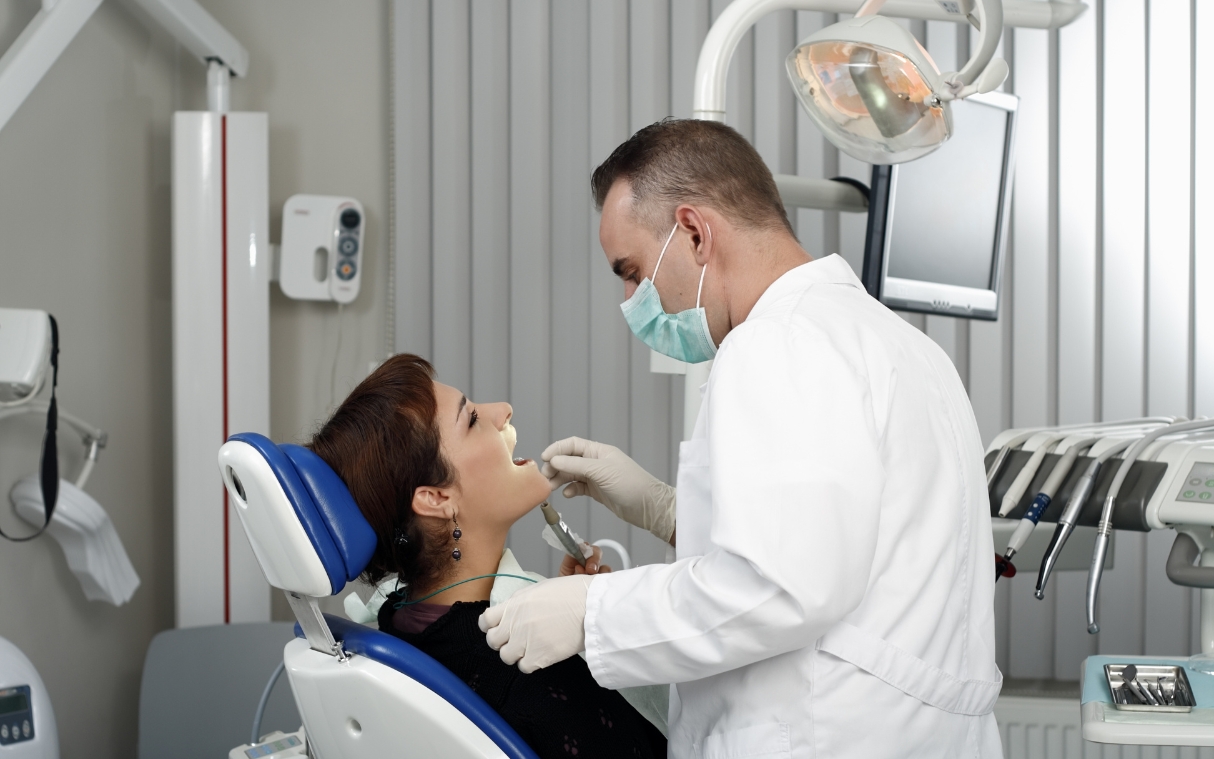
- Initial Consultation: Your orthodontist will take X-rays, photos, and molds of your teeth to assess the best approach.
- Customized Plan: The treatment plan will detail the type of braces you’ll get, how often you need adjustments, and what steps may be necessary (such as extractions or tooth reshaping).
- Regular Appointments: You’ll visit your orthodontist regularly for adjustments. These visits ensure your teeth are moving in the right direction and help you stay on track.
- Follow-up Care: Your plan will also include follow-up appointments to monitor progress and make any needed changes. This is crucial for ensuring that your treatment stays effective.
An orthodontic treatment plan is designed to be flexible, adapting as needed throughout the process to meet your goals. Open communication with your orthodontist will ensure the best outcome.
What Are the Costs and Payment Options?
The cost of braces can vary based on the type of braces, your location, and the complexity of your treatment. On average, you can expect to pay between $3,000 and $7,000 for braces, depending on these factors.
- Metal Braces: These are typically the most affordable option.
- Ceramic Braces: These tend to be a bit more expensive due to their materials.
- Clear Aligners: Clear aligners costs can increase for more complex cases.
- Lingual Braces: These are usually the most expensive due to their specialized design and placement.
Many orthodontists offer flexible payment plans to make treatment more affordable. You may also be able to use insurance to cover some of the costs. Check with your provider to see if braces are covered under your plan.
- Insurance: Many plans cover part of the cost, especially if braces are deemed medically necessary.
- Payment Plans: Ask your orthodontist about monthly payment options, which can spread the cost out over time.
- Flexible Spending Accounts (FSAs): Some patients use an FSA to cover their treatment costs tax-free.
How Will Braces Affect My Daily Life?
Wearing braces can impact several aspects of your daily life, especially in the beginning. But with a little preparation, you can continue your routine with minimal disruption.
- Diet Adjustments: You may need to avoid hard, sticky, or chewy foods that can damage your braces or get stuck in them. Opt for softer foods like pasta, yogurt, and smoothies during the initial adjustment period.
- Oral Hygiene Routine: Brushing and flossing take more time with braces. You’ll need special tools, like an interdental brush and floss threaders, to clean around the brackets and wires properly.
- Speech: You may experience temporary speech issues, particularly with lingual braces, which can make it harder to speak clearly. Most people adjust to this in a few weeks.
- Comfort: While braces can cause some discomfort, especially after adjustments, over-the-counter pain relievers can help manage it. Wax can also be applied to braces to prevent irritation inside your mouth.
What Happens After My Braces Are Removed?
Once your braces are removed, the real work begins: maintaining the results! Your orthodontist will guide you through post-treatment care to ensure that your teeth stay straight for years to come.
- Retainers: After your braces come off, you’ll likely need to wear a retainer. Retainers help your teeth stay in their new positions and prevent them from shifting back. Your orthodontist will advise you on how often and when to wear your retainer.
- Post-Treatment Care: It’s important to continue regular visits to your orthodontist, even after the braces are removed. These follow-up appointments will ensure that everything stays in place.
- Long-Term Maintenance: Maintaining your results requires good oral hygiene and a commitment to wearing your retainer as instructed. Failure to do so can result in teeth shifting over time.
How Do I Handle Emergencies or Issues During Treatment?
Braces sometimes require a little extra care. Whether it’s broken brackets or discomfort, it’s important to know how to manage common issues that may arise during treatment.
- Discomfort: Some discomfort is normal, especially after adjustments. If it’s more than mild discomfort, over-the-counter pain relief can help, but consult your orthodontist if the pain persists.
- Loose or Broken Brackets: If a bracket comes loose, use orthodontic wax to cover the sharp edges until you can see your orthodontist. They can replace or repair it at your next visit.
- Poking Wires: If a wire is poking you, try pushing it back into place with a cotton swab or tweezers. If that’s not possible, visit your orthodontist to have the wire fixed.
- Emergency Care: Many orthodontists offer after-hours emergency care, so don’t hesitate to contact them if something goes wrong outside of normal office hours.
Starting braces treatment can feel like a big step, but with the right guidance and expectations, you’ll be on your way to a smile you’ll love. Whether you choose traditional braces, clear aligners, or any other option, remember that the journey is unique for everyone. Stay informed, follow your orthodontist’s advice, and enjoy the transformation process.