(940) 242-2022
Can Orthodontics Improve Speech? Exploring the Connection
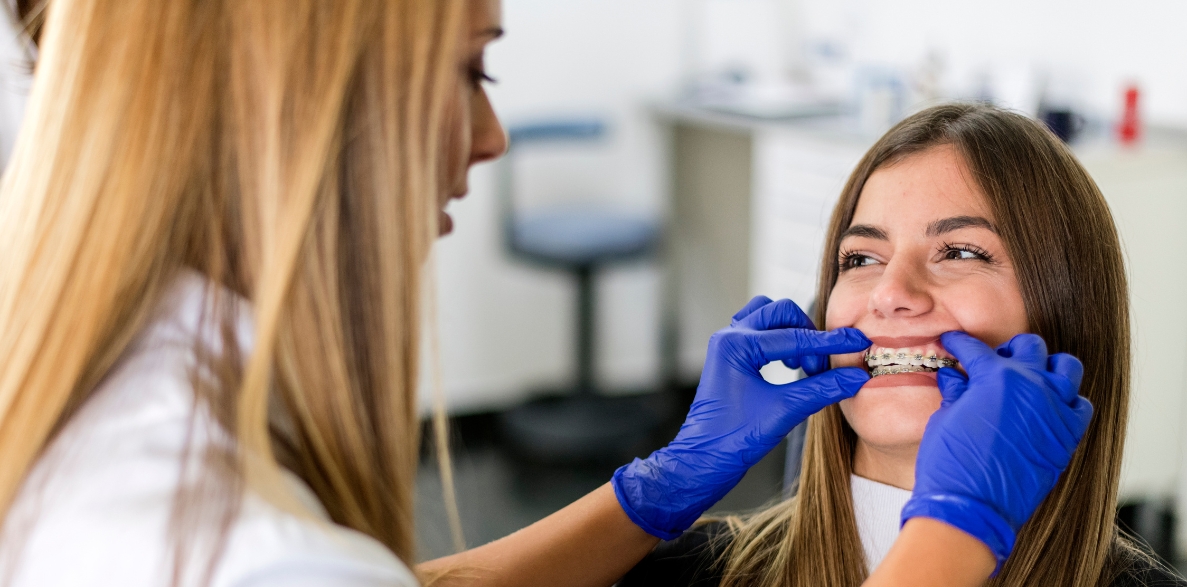
Have you ever noticed how much your teeth and jaw affect the way you speak? Many people don’t realize the deep connection between dental alignment and speech clarity. Misaligned teeth, gaps, or jaw positioning can make pronouncing certain words or sounds challenging.
If you’ve ever wondered whether orthodontics could improve your speech, you’re not alone. This fascinating link goes beyond aesthetics—it’s about empowering you to communicate confidently.
Speech is one of the most personal ways we express ourselves. Struggling with clarity or specific sounds can feel frustrating, especially if the root cause stems from orthodontic issues.
The good news?
Orthodontics can often address these challenges. Whether it’s braces, aligners, or jaw adjustments, modern orthodontic treatments do more than align your smile. They help align your speech. Let’s explore the connection between orthodontics and speech improvement and uncover how these treatments can transform more than just your teeth.
How Dental Structure Influences Speech
Your dental structure directly impacts your ability to speak clearly. A misaligned bite or crooked teeth can create challenges in articulating certain sounds or words. The teeth, tongue, lips, and jaw all play a critical role in speech. When the alignment isn’t ideal, it can lead to slurring or difficulty pronouncing specific sounds.
- Teeth positioning determines how your tongue interacts with them, which affects speech precision.
- Misalignment can interfere with the airflow needed for speech clarity, making it harder to articulate words properly.
- Common speech issues tied to dental misalignment include a lisp or trouble pronouncing “s,” “z,” “th,” and “r” sounds.
- The jaw’s position also influences how clearly you can articulate certain phonetic sounds, especially in cases of overbites or underbites.
Correcting these issues with orthodontic treatments can significantly improve your speech by allowing your teeth and mouth to function properly during speech.
Orthodontic Solutions for Speech-Related Issues
Braces, aligners, and other orthodontic appliances are designed to help correct misalignment that affects speech. These treatments align your teeth and jaw, addressing speech issues at their source. By shifting teeth into a more natural position, orthodontics can make it easier to pronounce words with greater clarity.
- Braces are effective for long-term correction of misaligned teeth, offering a comprehensive solution to issues like lisping or unclear speech.
- Clear aligners, like Invisalign, provide a discreet option for those who wish to straighten teeth without traditional braces.
- Retainers or other orthodontic appliances can further support speech clarity once treatment has moved teeth into a better position.
- Studies show that individuals who receive orthodontic treatments often see a significant improvement in speech articulation as their teeth and jaw realign.
Common Speech Problems Linked to Orthodontic Issues
Several speech problems can be traced back to dental misalignment. These issues often go unnoticed until they begin to interfere with effective communication. Orthodontic treatments help resolve these problems by correcting alignment and improving articulation.
- Lisping: Often caused by gaps between teeth, especially the front ones, lisps are one of the most common speech problems linked to dental misalignment.
- Difficulty with Specific Sounds: Dental issues like gaps or misaligned teeth can make it difficult to pronounce certain sounds, such as “s,” “z,” “th,” and “ch.”
- Bite Problems: Overbites and underbites can lead to issues with enunciation and speech clarity. These problems may create a “muffled” sound or cause difficulty when pronouncing words that require precise tongue movements.
- Crossbite: A misalignment of the upper and lower teeth can create tension in the jaw, which impacts speech patterns and clarity.
Correcting these issues with orthodontic treatments can greatly improve your ability to speak clearly and confidently.
The Role of Orthodontics in Jaw Alignment
Jaw alignment plays a crucial role in speech production. If your upper and lower jaws are not properly aligned, it can create issues with how you pronounce sounds. This misalignment, such as overbites, underbites, and crossbites, can severely affect your speech patterns.
- Overbite and Underbite: These conditions often lead to difficulty with enunciation, as they hinder the natural movement needed for clear speech.
- Crossbite: A misalignment of the upper and lower jaws can create tension in the jaw, affecting speech and even causing discomfort while speaking.
- Orthodontic treatments designed to realign the jaw can improve the range of motion and speech clarity.
- Benefits of aligning the jaw for speech clarity include reducing mouth tension, improving airflow, and enabling more precise articulation.
By aligning the jaw, orthodontics not only improves your smile but also enhances your ability to speak with clarity.
Speech Therapy vs. Orthodontic Treatment
Speech therapy and orthodontic treatment are often complementary approaches to improving speech clarity. While orthodontics addresses physical alignment, speech therapy focuses on teaching correct tongue, lip, and jaw movements to improve articulation.
- Orthodontics: Focuses on correcting the physical misalignment of teeth and jaws, which directly impacts speech.
- Speech Therapy: Works to correct the functional aspects of speech, such as tongue positioning and mouth movement.
- Combining both treatments allows for a more holistic approach, ensuring that both the physical and functional aspects of speech are addressed.
- Real-life Examples: Many patients who receive orthodontic treatment and speech therapy report significant improvements in their speech clarity, especially after correcting issues like lisping or difficulty with certain sounds.
If you’re unsure how orthodontic treatment could help your speech, consult an experienced orthodontist near me to assess whether combining these treatments would be beneficial for your situation.
Can Orthodontics Help at Any Age?
Orthodontic treatments aren’t just for children and teenagers; adults can benefit from these treatments too. If you have speech problems linked to misaligned teeth or jaw issues, orthodontics may provide a solution regardless of your age.
- Children and Teens: Early intervention is ideal for correcting speech-related dental issues, but even teens can experience significant improvements after orthodontic treatment.
- Adults: Adults can also see dramatic improvements in speech after orthodontic treatments. While the process may take longer than for children, the results are often just as effective.
- Many adults believe orthodontics are only for teenagers, but this isn’t the case. Misalignments in teeth or jaw structure can cause speech issues at any age.
- Age-Specific Considerations: While treatment options remain effective at any age, orthodontic treatments for adults may require additional planning and follow-up care.
Orthodontics offers more than just a beautiful smile—it can also enhance the clarity of your speech. Whether you’re dealing with lisping, difficulty pronouncing certain sounds, or jaw misalignment, orthodontic treatments can provide a lasting solution. It’s never too late to start. With the right approach, including possibly speech therapy, you can achieve improved communication skills. Ready to take the next step? Consult with an orthodontist to explore the treatment options that could help you speak more clearly.