(940) 242-2022
How Can Invisalign Correct Common Orthodontic Issues?
Are you tired of traditional metal braces and wondering if there’s a modern alternative for fixing those pesky orthodontic issues?
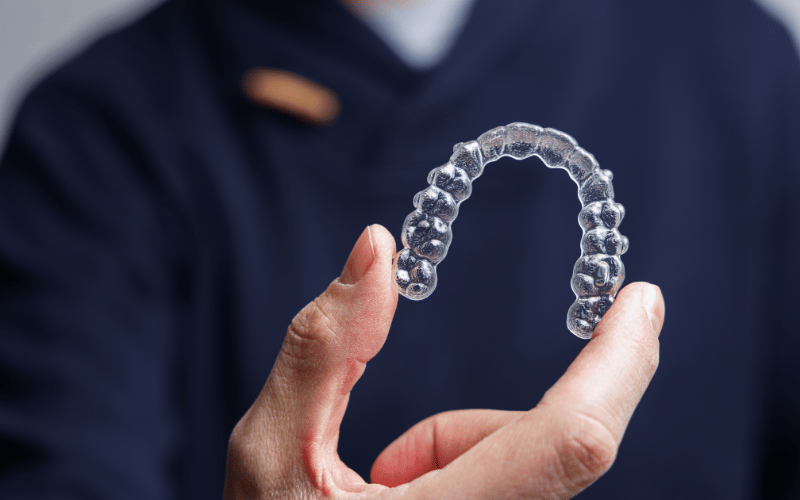
Invisalign might just be your answer! This cutting-edge solution offers a sleek and comfortable way to straighten your teeth without the noticeable wires and brackets of conventional braces.
In this blog, we’ll dive into how Invisalign can tackle common orthodontic problems such as crooked teeth, overbites, and gaps. We’ll explore how these clear aligners work their magic and why they could be the perfect fit for you.
If you’ve been hesitant about orthodontic treatment, Invisalign’s innovative approach might change your mind.
Ready to discover how this modern technology can transform your smile? Let’s explore how Invisalign can make a difference in your dental health journey.
How Invisalign Works: A Brief Overview
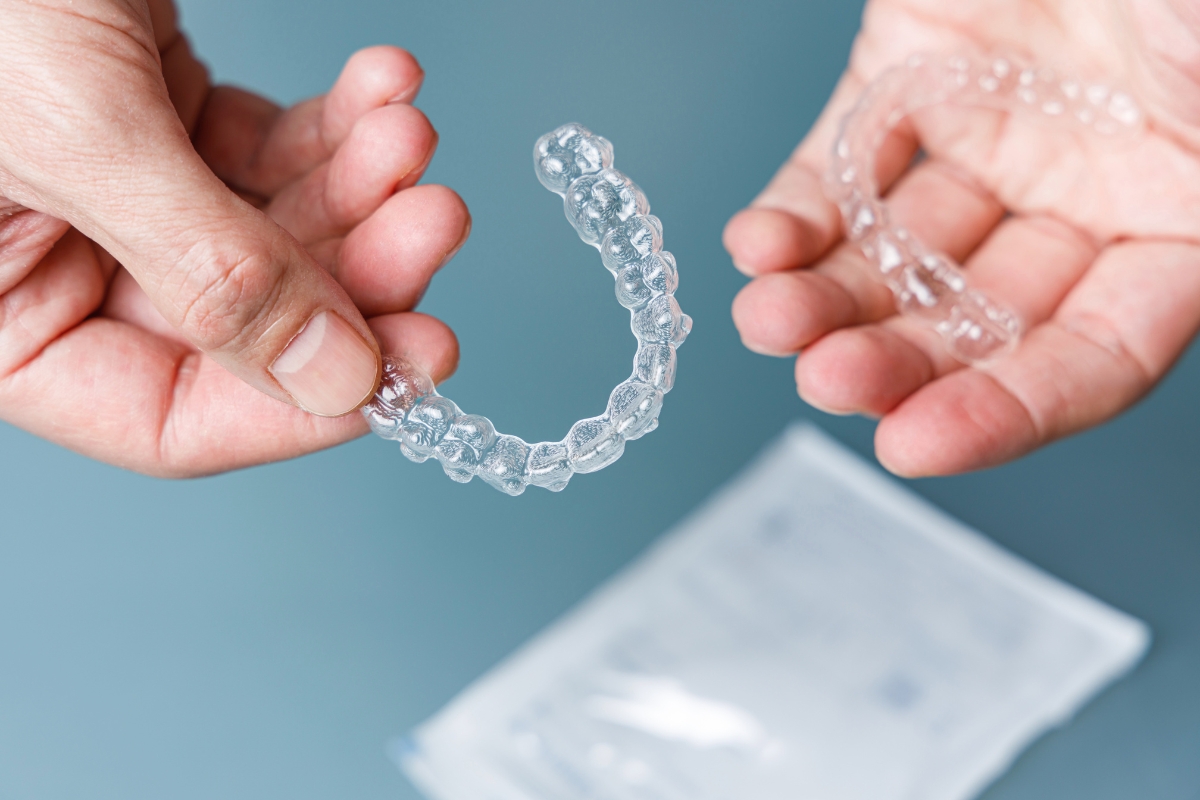
Invisalign uses a series of custom-made clear aligners to gradually shift your teeth into their proper positions. Unlike traditional braces, these aligners are virtually invisible and can be removed for eating and brushing. Here’s how the process works:
- Initial Consultation: You’ll start with a consultation where your orthodontist will assess your teeth and determine if Invisalign is suitable for you.
- Custom Treatment Plan: Using 3D imaging technology, your orthodontist creates a precise treatment plan, showing how your teeth will move throughout the process.
- Aligner Fabrication: Based on the treatment plan, a series of aligners are made specifically for your teeth.
- Wearing Aligners: You’ll wear each set of aligners for about two weeks before switching to the next set. Each aligner gently moves your teeth closer to the desired position.
- Regular Check-Ups: Periodic visits to your orthodontist ensure that the treatment is progressing as planned.
Invisalign provides a more flexible and aesthetically pleasing alternative to metal braces, making it a popular choice for many.
Correcting Crooked Teeth with Invisalign
Crooked teeth are not just a cosmetic concern; they can also lead to dental issues such as difficulty in cleaning and increased risk of gum disease. Invisalign offers a precise and effective method to correct crooked teeth:
- Gentle Realignment: Invisalign aligners apply gentle, consistent pressure to reposition teeth gradually. This technique is effective for both minor and moderate misalignments.
- Custom Fit: Each aligner is tailored to fit your teeth precisely, ensuring that they apply the correct amount of pressure at the right angles.
- Enhanced Comfort: Unlike traditional braces, Invisalign aligners are smooth and less likely to irritate your gums and cheeks.
- Predictable Results: The 3D imaging used in the planning stages allows you to see a visual representation of how your teeth will move, providing a clear expectation of the outcome.
With Invisalign, achieving a straighter smile without the discomfort and visibility of metal braces is more attainable than ever.
Addressing Overbites with Invisalign
An overbite occurs when the upper front teeth overlap the lower front teeth too much. This condition can affect your bite and cause issues with chewing and speaking. Invisalign can effectively address overbites through:
- Targeted Adjustments: Aligners are designed to gradually move your teeth into better alignment, correcting the overlap.
- Bite Correction: Invisalign can help in adjusting the position of your upper and lower teeth to create a more balanced bite.
- Comfortable Treatment: Unlike traditional braces, which may require additional appliances, Invisalign aligners focus directly on the teeth needing adjustment.
- Customized Care: Your treatment plan is tailored to address the specific degree of your overbite, ensuring that the results meet your needs.
Invisalign provides a discreet and effective solution for correcting overbites, improving both function and aesthetics. An Invisalign dentist Justin can help you get the best solution based on your specific needs.
Closing Gaps Between Teeth
Gaps between teeth, known as diastemas, can affect your smile’s appearance and can sometimes lead to other dental issues. Invisalign is an effective solution for closing these gaps:
- Gradual Closure: Aligners work by gradually shifting the teeth towards each other, closing gaps without the need for traditional braces.
- Even Spacing: As the aligners move the teeth, they ensure that the spacing is even, leading to a more uniform smile.
- Enhanced Aesthetics: The clear aligners are less noticeable than braces, allowing you to close gaps without drawing attention to your treatment.
- Improved Oral Health: Closing gaps can make it easier to clean your teeth effectively, reducing the risk of plaque buildup and gum disease.
With Invisalign, closing gaps can be done discreetly and comfortably, leading to a more polished and healthy smile.
Managing Crossbites with Invisalign
A crossbite occurs when one or more of your upper teeth bite on the inside of your lower teeth. This misalignment can cause uneven wear, gum issues, and jaw discomfort. Invisalign can address crossbites through:
- Precise Adjustments: Aligners are designed to correct the positioning of your teeth, ensuring that the upper teeth properly align with the lower teeth.
- Balanced Bite: Invisalign helps in adjusting your bite so that the upper and lower teeth align correctly, improving function and comfort.
- Comfortable Fit: The smooth aligners reduce the discomfort associated with traditional metal braces, making the treatment more comfortable.
- Predictable Outcome: The treatment plan provides a clear view of how your teeth will move to correct the crossbite, ensuring accurate results.
Invisalign offers a modern approach to correcting crossbites, leading to a more comfortable and functional bite.
Addressing Underbites with Invisalign
An underbite occurs when the lower teeth protrude beyond the upper teeth. This misalignment can affect chewing and speech. Invisalign can effectively manage underbites through:
- Gentle Realignment: Aligners gradually shift the lower teeth back and the upper teeth forward, correcting the underbite.
- Customized Treatment: Your orthodontist will design a treatment plan specifically for your underbite, ensuring that the results align with your needs.
- Comfortable and Discreet: Invisalign aligners are less noticeable and more comfortable than traditional braces, making them a preferred choice for many patients.
- Enhanced Function: Correcting an underbite can improve your ability to chew and speak comfortably, enhancing overall oral health.
Invisalign offers a versatile solution for a range of orthodontic issues, from crooked teeth and gaps to more complex concerns like overbites and underbites. With its clear aligners and precise treatment plans, Invisalign combines comfort and effectiveness to deliver a straighter smile without the bulk of traditional braces. If you’re considering orthodontic treatment, Invisalign might be the perfect choice for you. Consult with your orthodontist to explore how this modern approach can address your unique needs.