(940) 242-2022
Dental Care Tips for Seniors: Maintaining Oral Health as You Age

Maintaining oral health becomes increasingly important as we age. Common problems like tooth decay, gum disease, and tooth loss—which are more common in seniors—can be avoided with proper dental care. Changes associated with aging frequently include decreased salivary flow, which can cause dry mouth and raise the risk of cavities.
Additionally, gum recession and worn dental restorations can become concerns. Addressing these issues through effective dental care is crucial for preserving your smile and your overall health.
Understanding Aging and Oral Health
Aging brings several changes that can impact oral health. One major change is the decrease in saliva production. Saliva acts as a buffer against acids that lead to tooth disease and helps wash away food particles. Due to decreasing salivary flow, elderly persons are more likely to have dry mouth, which increases the risk of oral infections and makes eating and speaking difficult.
Another common issue is gum recession. As gums recede, teeth can become more sensitive, and the risk of root decay increases. The thinning of gums can also expose the roots of teeth, making them more vulnerable to decay and infection.
Medications taken by seniors can also impact oral health. Numerous drugs, such as those for depression and high blood pressure, can change the normal balance of bacteria in the mouth or produce dry mouth. Chronic conditions such as diabetes and arthritis further complicate dental care. Diabetes can lead to gum disease, while arthritis may make brushing and flossing more difficult.
Overall, understanding these changes helps in taking proactive steps to maintain oral health and manage the effects of aging effectively.
Essential Daily Oral Care Routine
Brushing: Proper brushing is fundamental for maintaining oral health. Seniors should use a soft-bristled toothbrush to avoid damaging gums. Given that they are more manageable and efficient at cleaning, electric toothbrushes can be a fantastic choice.
Choose fluoride toothpaste to help strengthen enamel and prevent decay. Brush twice daily, in the morning and before bed, for at least two minutes each time. Pay attention to all tooth surfaces, including the chewing surfaces, the inside, and along the gum line.
Flossing: Food particles and plaque between teeth cannot be reached by a toothbrush; flossing is necessary to remove them. Seniors should use floss picks or an interdental brush if traditional flossing is difficult.
The goal is to clean between the teeth and below the gum line gently, without snapping the floss, which can damage the gums. To get rid of plaque and lower your chance of developing gum disease, floss once a day, ideally right before bed.
Rinsing: Using a mouthwash can complement brushing and flossing by reducing bacteria and freshening breath. Look for mouthwashes with fluoride to help strengthen teeth. Gum disease risk and plaque can both be decreased by rinsing with an antibacterial mouthwash.
For those with dry mouth, saliva substitutes or mouth rinses specifically designed for dry mouth can be beneficial.
Nutrition and Its Impact on Oral Health
Food that Promote Healthy Teeth and Gums: Eating a balanced diet supports oral health. Include an abundance of fruits and vegetables, as they are rich in minerals and vitamins. Leafy greens, apples, and carrots are excellent choices.
Dairy products like milk, yogurt, and cheese provide calcium and vitamin D, essential for strong teeth and bones. Nuts and seeds can also contribute beneficial fats and minerals that support oral health.
Food and Drinks to Avoid: To prevent oral health problems, limit sugary snacks and beverages. Sugar feeds harmful bacteria in the mouth, increasing the risk of cavities. Over time, acidic beverages like soda and citrus juices can damage enamel.
Avoid sticky candies and food that can cling to teeth and promote decay. Keeping your salivary flow and food particles in check can be achieved by drinking lots of water.
Regular Dental Check-ups
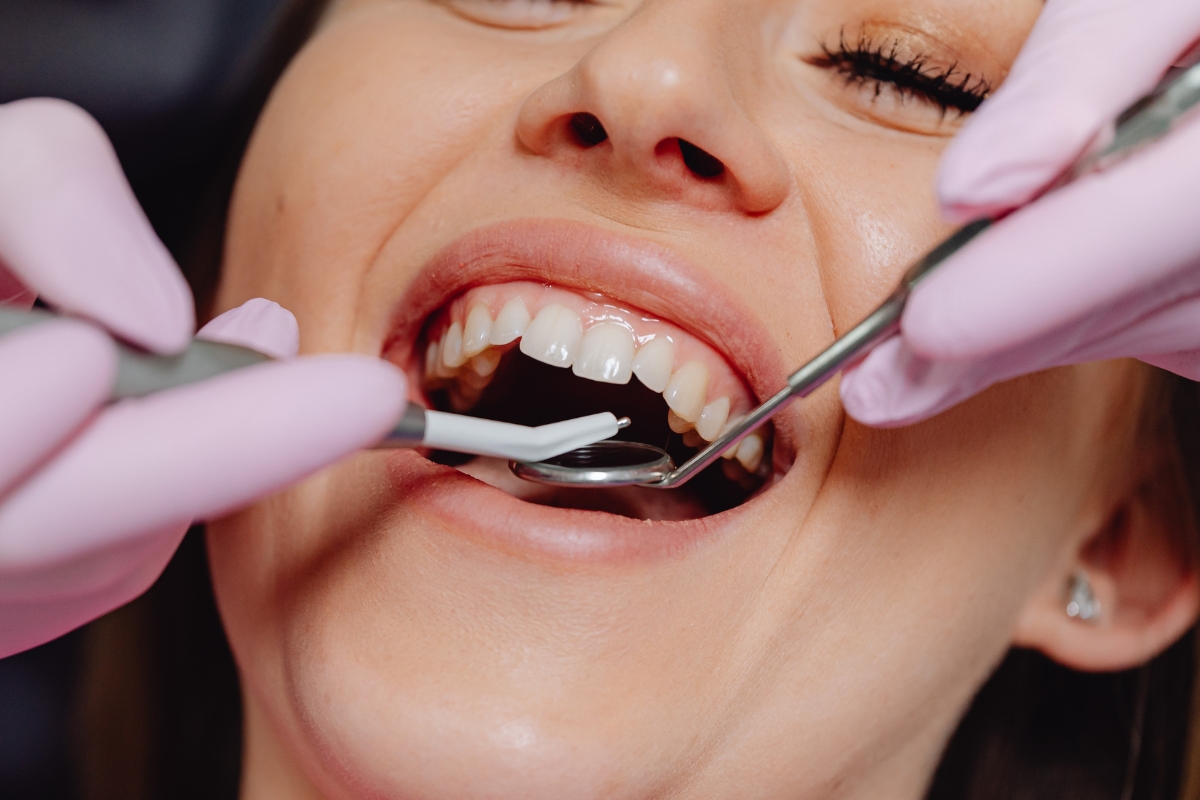
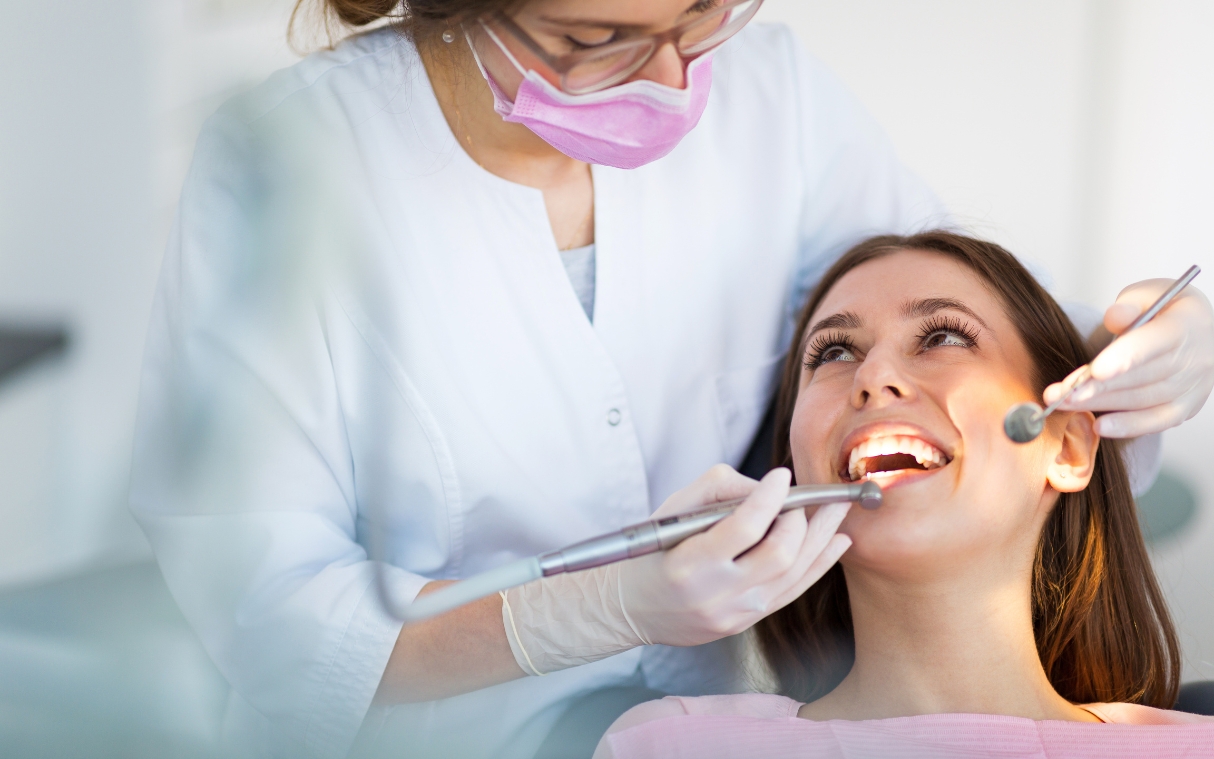
To keep their oral health in good condition, elders must get regular dental checkups. A dentist can monitor changes in oral health, identify issues early, and provide professional cleaning.
A dentist will look for indications of issues like decay, gum disease, or oral cancer while doing a check-up on your teeth, gums, and mouth. X-rays may be taken to assess the health of the underlying structures.
Regular visits help prevent serious issues and ensure any dental concerns are addressed promptly. For those seeking professional care in the area, a dentist in Justin can offer specialized services and support.
Addressing Common Dental Issues
Dry Mouth: Seniors frequently experience dry mouth, which is frequently brought on by drugs or medical disorders. Drink lots of water throughout the day to prevent dry mouth. Chewing sugar-free gum can stimulate saliva production. Using saliva substitutes or moisturizing mouth rinses can also help. If dry mouth persists, consult your dentist for further recommendations.
Gum Disease: Gum disease starts with gingivitis and can progress to more severe forms if untreated. Symptoms include swollen or bleeding gums. To prevent gum disease, maintain good oral hygiene, including brushing and flossing.
Regular dental check-ups are crucial for catching gum disease early. Treatment may involve professional cleaning, scaling, and root planing to remove plaque and tartar buildup.
Tooth Loss: Tooth loss can be addressed with several solutions. One popular method for replacing lost teeth is to use dentures. Implants are another solution, providing a more permanent and natural-looking replacement. Bridges can also be used to fill gaps left by missing teeth. Consult your dentist to determine the best course of action based on your preferences and oral health.
Maintaining oral health as you age requires attention and care. Seniors can maintain their dental health and quality of life by eating a balanced diet, getting regular dental checkups, and practicing consistent oral cleanliness. Remember, effective oral care is essential for overall health and well-being. Prioritize your oral health and seek professional help when needed to enjoy a healthy and confident smile.
FAQs
Can certain medications affect oral health in seniors?
Yes, many medications can cause side effects such as dry mouth, gum overgrowth, or changes in taste. It is important to discuss these effects with your dentist or healthcare provider.
How can seniors manage gum recession?
Seniors can manage gum recession by practicing good oral hygiene, using a soft-bristled toothbrush, and visiting the dentist for professional cleanings. In some cases, treatments or procedures may be necessary.
What are the signs of tooth decay in seniors?
Signs of tooth decay include tooth sensitivity, visible cavities, pain while chewing, and discoloration. Regular dental check-ups can help catch decay early before it progresses.
Are there any special considerations for seniors with diabetes?
Yes, seniors with diabetes should pay extra attention to oral health. Diabetes can increase the risk of gum disease and slow healing. Regular dental visits and good oral hygiene are essential.
How can seniors handle dental care if they have arthritis?
For those with arthritis, using ergonomic toothbrushes or electric toothbrushes can make brushing easier. Floss picks or interdental brushes may also be easier to handle than traditional floss.