(940) 242-2022
Can Invisalign Fix Overbite? Everything You Need to Know
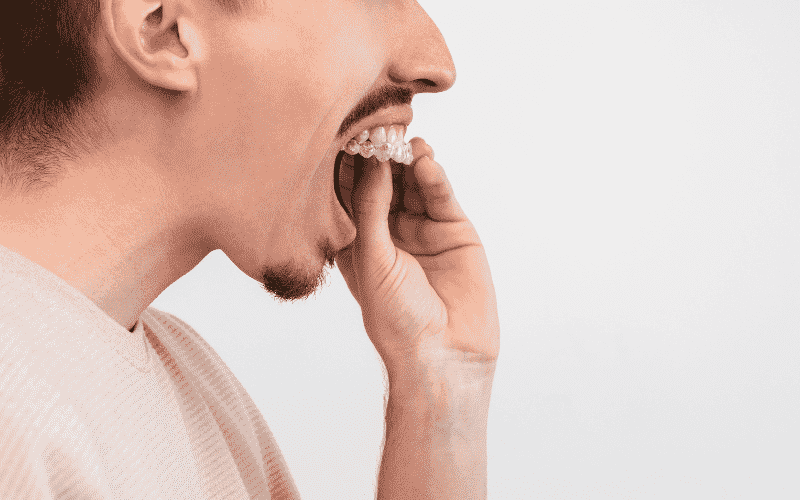
In today’s world of advanced orthodontic treatment, Invisalign stands out as a popular choice for those seeking to correct dental issues discreetly and comfortably. Among the various problems that Invisalign can address, overbite correction is a frequent concern. This guide delves into how Invisalign corrects overbites, its effectiveness, and what you can expect from this innovative treatment.
Invisalign
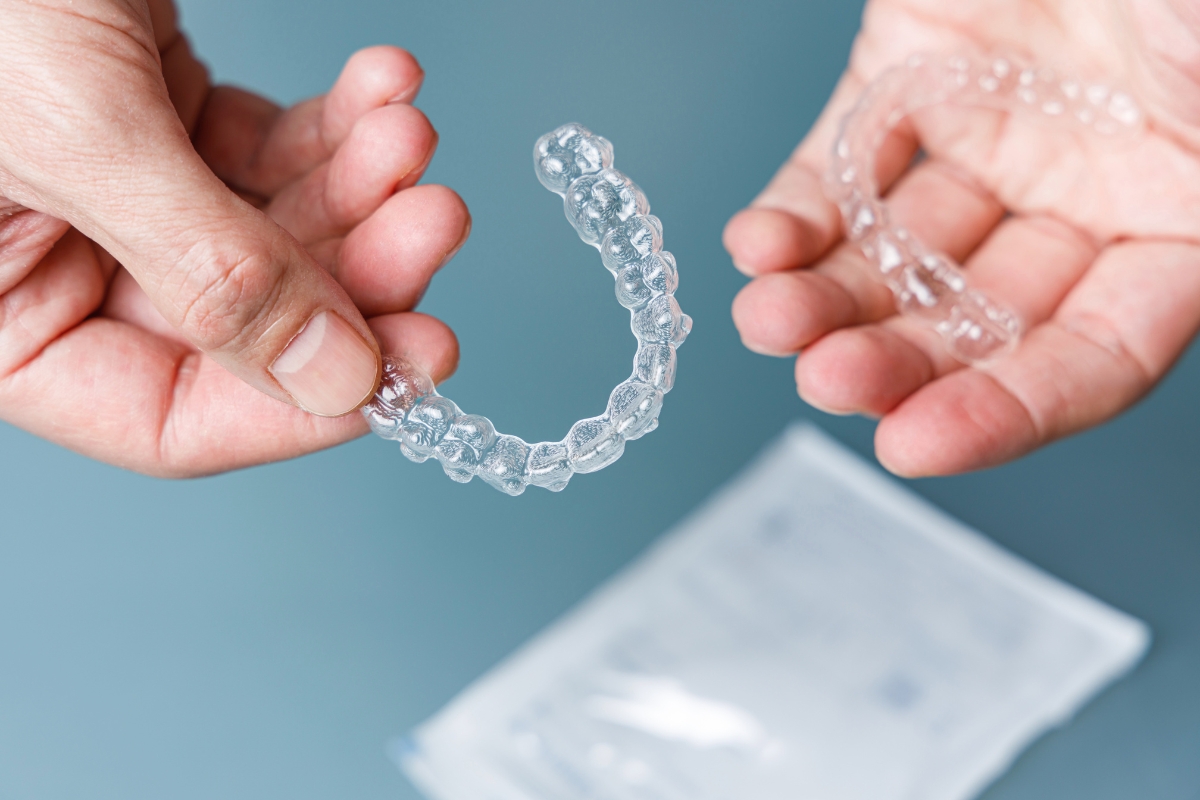
Introduced in 1997, these custom-made aligners, made from flexible SmartTrack thermoplastic, shift teeth incrementally to their desired positions. New aligners are provided every one to two weeks based on a detailed treatment plan using digital scans and 3D modeling. Invisalign is popular for its nearly invisible appearance and the convenience of being removable, making it a discreet and user-friendly alternative to traditional braces.
Can Invisalign Fix Overbite?
Understanding Overbite
An overbite, also known as a deep bite, happens when the upper front teeth excessively overlap the lower front teeth. While a slight overlap is normal, a pronounced overbite can lead to various issues, including difficulty in chewing, speech problems, and increased wear on teeth. Severe overbites can also contribute to jaw pain and other orthodontic complications.
Invisalign for Overbite Correction
Invisalign is highly effective in treating mild to moderate overbites. The treatment plan involves the use of clear aligners designed to gradually shift the teeth into a more optimal alignment. According to a study published in the American Journal of Orthodontics and Dentofacial Orthopedics, Invisalign can successfully treat overbites with similar effectiveness to traditional braces, especially in non-growing patients.
For overbite correction, Invisalign aligners are often designed to apply specific pressure on the upper teeth to move them back and on the lower teeth to move them forward. This dual action helps to reduce the vertical overlap, aligning the upper and lower jaws more harmoniously.
Case Studies and Statistics
Clinical data supports the efficacy of Invisalign in overbite correction. A study in the Journal of Clinical Orthodontics reported that patients with Class II overbites experienced significant improvements using Invisalign, with many achieving complete correction of their overbite within the expected treatment time. Another study indicated that Invisalign could handle up to 6 mm of overbite in adult patients effectively.
How Invisalign Fixes an Overbite
The Mechanism
Invisalign corrects overbites through a systematic approach involving:
- Initial Assessment: During the first consultation, the dentist or orthodontist evaluates the overbite severity and takes digital impressions of your teeth using a 3D scanner. This data helps create a precise treatment plan.
- Custom Aligners: Based on the treatment plan, a series of custom aligners are produced. These aligners are designed to move the teeth incrementally. Each set of aligners is worn for about one to two weeks before progressing to the next set.
- Tracking Progress: Regular check-ups with the dental professional ensure that the treatment is progressing as planned. Adjustments can be made if necessary, and patients typically receive new sets of aligners during these visits.
- Completion and Retention: After the final set of aligners, patients may need to wear retainers to maintain the new position of their teeth and prevent relapse. Retainers are usually worn at night.
Use of Attachments
In some cases, small tooth-colored attachments are bonded to the teeth to assist with the movement required for overbite correction. These attachments help the aligners apply more precise forces on specific teeth, enhancing the treatment’s effectiveness.
Rubber Bands and Precision Cuts
For more complex overbites, elastic bands (rubber bands) might be used alongside Invisalign aligners. These bands provide additional force to correct the bite alignment. Precision cuts in the aligners can accommodate these rubber bands, allowing for effective correction of more severe cases.
How Long Does It Take for Invisalign to Fix Overbite?
Treatment Duration
The time required to fix an overbite with Invisalign varies depending on the severity of the overbite and the patient’s adherence to wearing the aligners. On average, treatment can take anywhere from 6 to 18 months. According to the Invisalign website, minor overbites may be corrected in as little as 6 months, while more severe cases might take up to 18 months or more.
Factors Influencing Duration
Several factors can affect the treatment duration:
- Severity of the Overbite: More severe overbites typically require longer treatment times.
- Patient Compliance: Consistent wear of the aligners, typically for 20-22 hours per day, is crucial for timely progress.
- Individual Variation: Each patient’s teeth respond differently to treatment, affecting the overall timeline.
Real-Life Examples
In a study featured in the Journal of Orthodontic Science, patients with mild to moderate overbites experienced significant improvements within 12 months of starting Invisalign treatment. Regular follow-ups and strict adherence to the aligner schedule were key factors in achieving these results.
Does Fixing Overbite Change Face Shape?
Impact on Facial Aesthetics
Correcting an overbite can have a notable impact on facial aesthetics. An overbite often causes the upper lip to protrude or the lower jaw to appear recessed. By aligning the teeth and correcting the overbite, Invisalign can improve the overall balance of the facial profile.
Changes to Expect:
- Jaw Alignment: Improved alignment of the jaws can lead to a more harmonious facial appearance.
- Lip Position: Properly aligned teeth can adjust the positioning of the lips, contributing to a more balanced smile.
- Facial Symmetry: Correcting an overbite can enhance facial symmetry, making features appear more proportionate.
Real-Life Impact
Patients often notice a more refined jawline and a balanced facial appearance post-treatment. In some cases, correcting an overbite can even alleviate strain on the jaw muscles, contributing to a more relaxed facial expression.
How Much Does It Cost to Correct an Overbite with Invisalign?
Cost Breakdown
The cost of Invisalign treatment for overbite correction can vary widely based on several factors, including:
- Severity of the Overbite: More complex cases require longer treatment times and more aligners, increasing the cost.
- Location: Geographic location and the cost of living in the area can impact treatment costs.
- Dental Provider: Fees can vary between orthodontists and general dentists offering Invisalign.
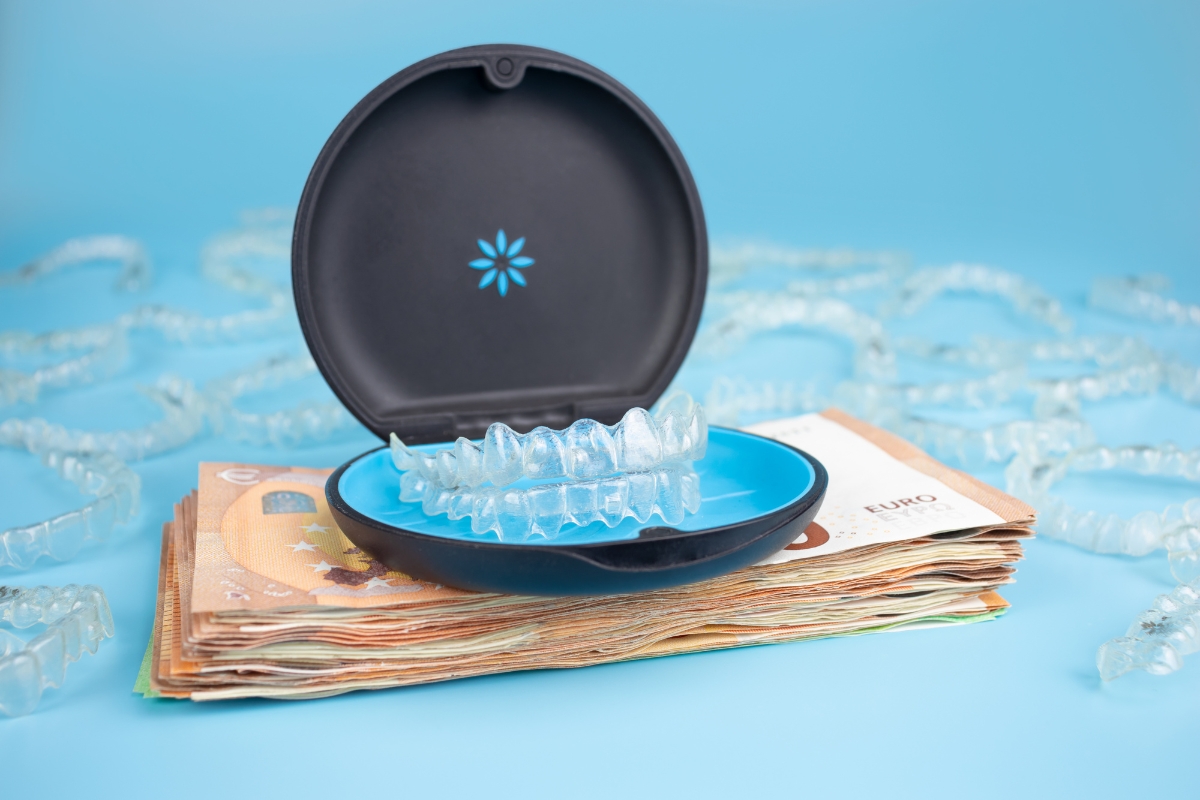
Average Cost: In the United States, the cost of Invisalign treatment typically ranges from $3,000 to $8,000. This range can vary based on individual treatment needs and the provider’s pricing. According to the Consumer Guide to Dentistry, the average cost is about $5,000 for a standard course of treatment.
Insurance and Financing
Many dental insurance plans cover a portion of Invisalign treatment, similar to traditional braces. Patients can also explore financing options such as payment plans or healthcare credit cards to manage the cost over time.
Invisalign offers a modern, effective solution for correcting overbites, providing numerous benefits over traditional braces. With its nearly invisible appearance, comfort, and convenience, Invisalign has become a popular choice for those seeking to improve their smile discreetly. Understanding the treatment process, duration, costs, and potential impact on facial aesthetics can help you make an informed decision about whether Invisalign is the right choice for your overbite correction. Always consult with a dental professional to discuss your specific needs and develop a personalized treatment plan.
By choosing Invisalign, you can achieve a beautiful, balanced smile while enjoying the flexibility and comfort that aligners provide. Whether you’re just beginning your journey to a better smile or exploring options for overbite correction, Invisalign offers a promising path to improved dental health and confidence.