(940) 242-2022
How Long Does It Take For Invisalign To Make A Difference?
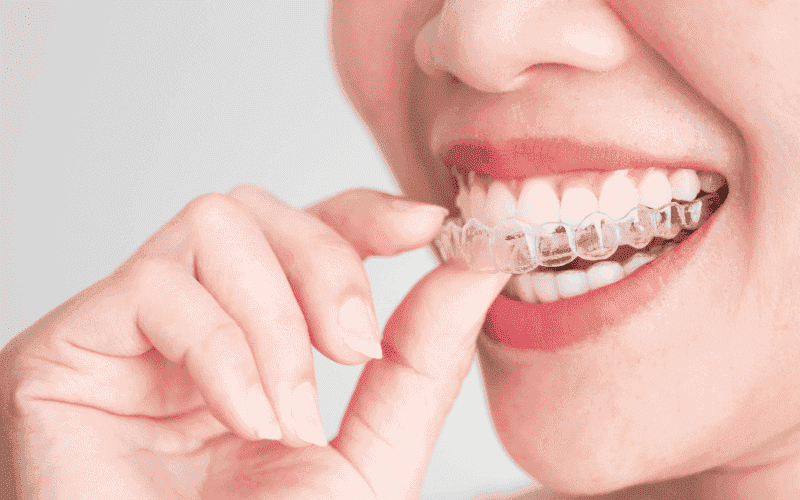
Invisalign has revolutionized orthodontic treatment, offering a discreet and convenient alternative to traditional braces. Understanding the timeline for Invisalign treatment is crucial for individuals seeking to improve their smile and oral health. This blog will delve into the various factors influencing the duration of Invisalign treatment and provide insights into what to expect throughout the process.
Using clear aligners custom-made for each patient, Invisalign gradually shifts teeth into the desired position. Unlike traditional braces, Invisalign aligners are removable and virtually invisible, making them a popular choice for individuals of all ages. By exploring the mechanics behind Invisalign and the typical treatment timeline, you will gain a comprehensive understanding of how long it takes to achieve noticeable results.
Whether you’re considering Invisalign for yourself or a loved one, this blog will equip you with the knowledge needed to navigate the journey towards a straighter, healthier smile with confidence and clarity.
How Invisalign Works?
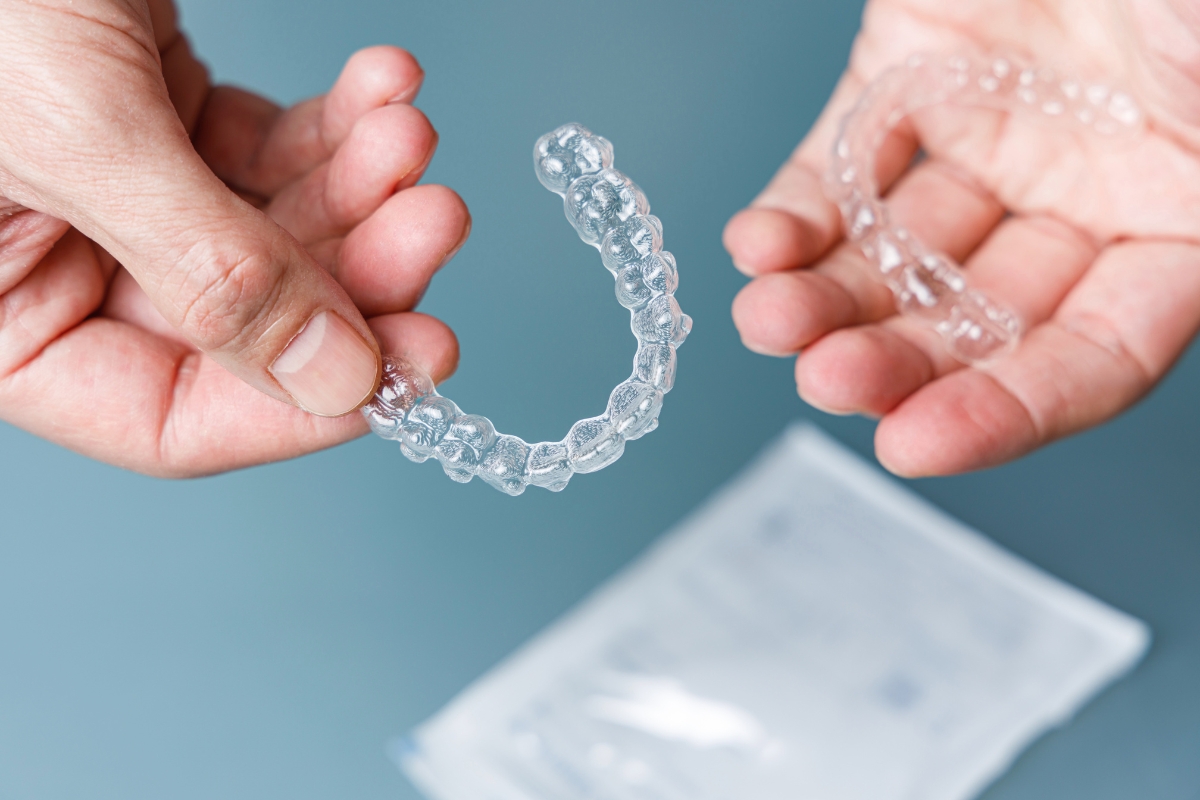
Invisalign works by leveraging a series of custom-made aligners to shift teeth into the desired position gradually. These aligners, made from smooth and comfortable plastic material, are virtually invisible when worn, offering a discreet orthodontic solution.
Process of gradual teeth movement:
- Each set of aligners applies gentle pressure to specific teeth.
- Aligners are changed approximately every 1-2 weeks to accommodate tooth movement.
- Treatment progresses in stages, with each aligner gradually shifting teeth.
- Regular check-ups with an invisalign dentist Justin helps monitor progress and ensure treatment effectiveness.
Factors Affecting Treatment Duration
Factors affecting the duration of Invisalign treatment can vary based on individual circumstances and adherence to the treatment plan. Here’s a closer look at the key factors influencing how long it takes to see results:
- Complexity of dental issues: The severity of orthodontic issues, such as misalignment or crowding, can impact treatment duration. More complex cases may require longer treatment times to achieve desired outcomes.
- Compliance with wearing aligners: Consistently wearing aligners for the recommended 20-22 hours per day is crucial for successful treatment. Patients who diligently follow their treatment plan are likely to see faster and more effective results.
- Frequency of aligner changes: Invisalign treatment involves changing aligners approximately every 1-2 weeks to maintain progress. Adhering to the prescribed schedule of aligner changes is essential for keeping treatment on track and minimizing delays.
- Age and overall oral health: Younger patients typically have faster treatment times due to their jaw’s ability to adapt more quickly. Additionally, good oral hygiene and overall oral health contribute to smoother treatment progress.
Typical Timeline for Invisalign Treatment
Understanding the typical timeline for Invisalign treatment can provide insight into what patients can expect throughout the process:
- Initial consultation and treatment planning: The journey begins with a consultation with a dentist or orthodontist specializing in Invisalign. During this visit, the dentist assesses the patient’s oral health, discusses treatment goals, and creates a customized treatment plan tailored to the individual’s needs.
- Duration of wearing aligners each day: Invisalign aligners should be worn for 20-22 hours per day to shift teeth into their desired positions effectively. Patients can remove aligners for eating, drinking, brushing, and flossing but should strive to wear them consistently to maintain treatment progress.
- Frequency of aligner changes: Patients typically change to a new set of aligners every 1-2 weeks as directed by their dentist. Each set of aligners gradually moves the teeth closer to their final positions, and regular changes ensure continuous progress throughout the treatment period.
Mid-Treatment Milestones
As patients progress through their Invisalign treatment, several mid-treatment milestones mark significant progress:
- Assessment of progress by the dentist: Periodic check-up appointments allow the dentist to evaluate how the teeth are responding to treatment. During these assessments, the dentist assesses alignment improvements, identifies any areas needing further adjustment, and discusses the next steps in the treatment plan.
- Adjustments to aligners as needed: Based on the dentist’s evaluation, adjustments may be made to the treatment plan, such as refining aligner attachments or changing the frequency of aligner changes. These adjustments ensure that treatment remains on track and continues to address the patient’s orthodontic needs effectively.
- Achieving significant alignment improvements: Mid-treatment milestones often coincide with noticeable improvements in the alignment of the teeth. Patients may begin to see changes in the appearance of their smile, such as reduced crowding or gaps between teeth, which serve as visible indicators of progress in their Invisalign journey.
Final Results and Maintenance
As patients near the end of their Invisalign treatment, they can expect:
- Completion of treatment timeline: Upon reaching the end of the treatment plan, patients typically achieve their desired alignment goals, with teeth positioned in their ideal alignment and orientation.
- Refinement phase if necessary: In some cases, a refinement phase may be needed to address any remaining minor alignment issues or to enhance the results further. During this phase, additional aligners may be provided to fine-tune the alignment and ensure optimal outcomes.
- Maintenance with retainers: After completing the active phase of treatment, patients transition to wearing retainers to maintain the newly achieved alignment. Retainers help prevent teeth from shifting back to their original positions and are typically worn nightly or as directed by the Invisalign dentist Justin.
Invisalign offers a modern and convenient solution for achieving a straighter smile. Understanding the factors influencing treatment duration and the typical timeline can help patients manage their expectations effectively. With proper compliance and regular progress evaluations, individuals can experience significant improvements in their dental alignment over time, leading to a confident and healthier smile.