(940) 242-2022
Signs You May Need Braces: What to Watch For
Orthodontic health is crucial for overall well-being, impacting both function and appearance. Misaligned teeth can affect your bite, speech, and self-esteem. Many people mistakenly believe braces are only for children or that they are purely cosmetic.
In reality, braces are a common and effective treatment for correcting a range of dental issues at any age. They are not just about aesthetics but also about improving oral health and function.
Knowing when braces might be necessary is the first step to improving your smile and quality of life.
What Are Braces?
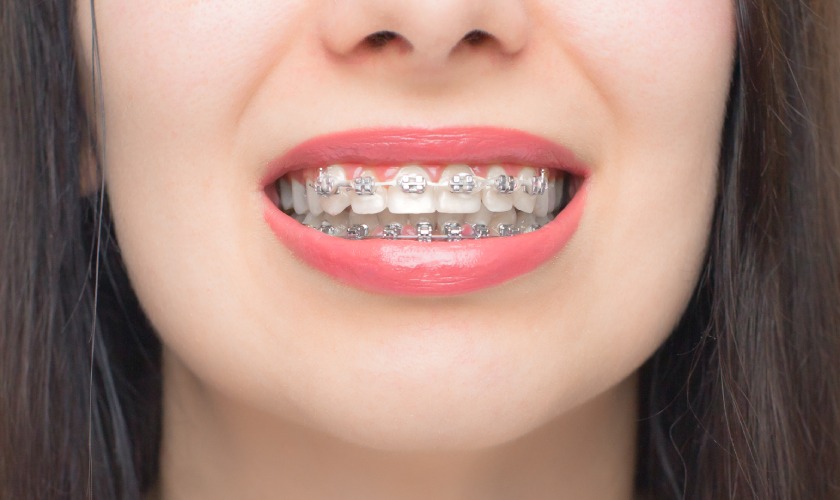
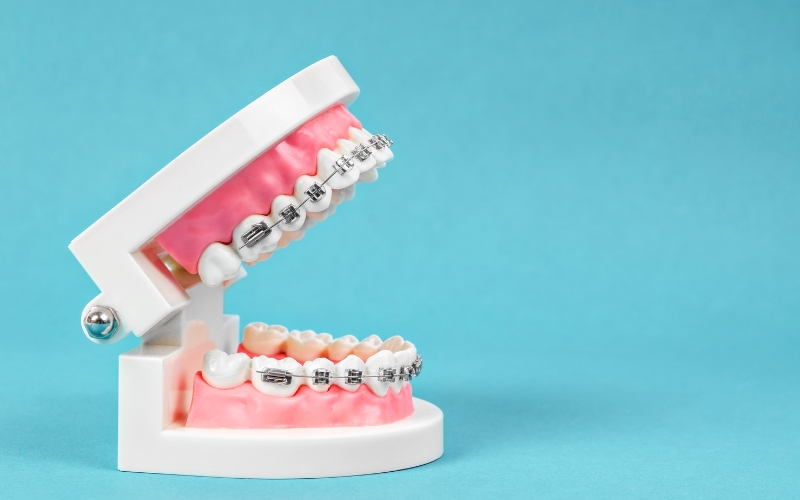
Braces are dental appliances used to straighten up misaligned jaws and teeth. They are made up of bands, wires, and brackets that cooperate to progressively move teeth into their correct locations.
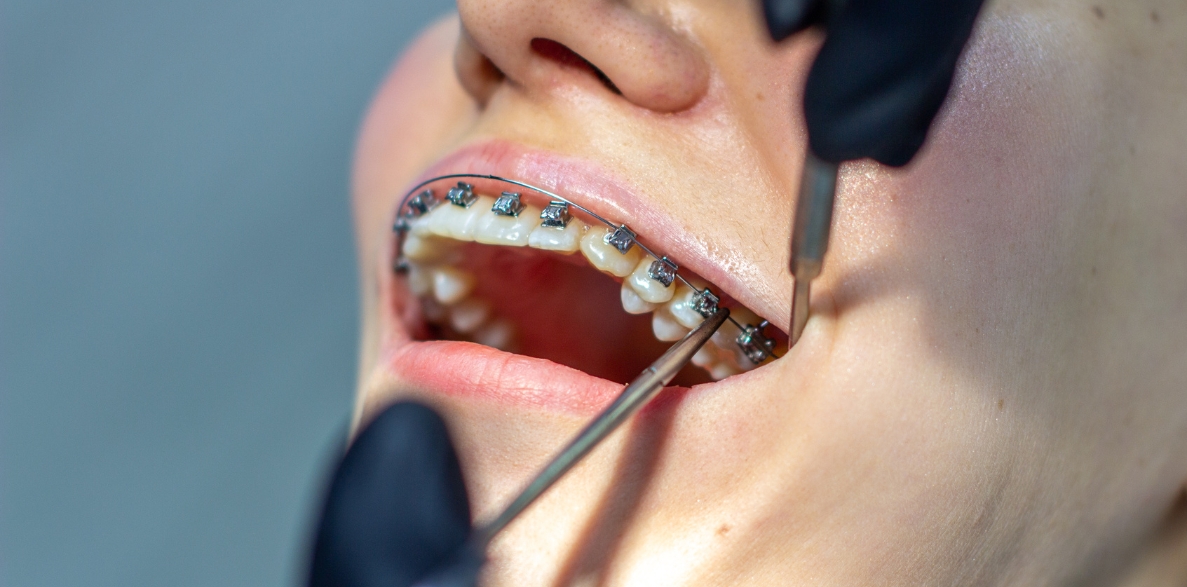
Brackets are glued to the teeth, while wires connect them and apply gentle pressure. This pressure causes the teeth to move slowly into alignment over time. Braces can be made of ceramic, plastic, or metal, based on your choices and demands.
Why Do People Need Braces?
People may need braces for various reasons. Insufficient space in the mouth to accommodate all of the teeth can result in crowded or crooked teeth, which is a common problem.
An incorrect bite, such as an underbite or overbite, where the teeth are misaligned when the mouth is closed, is another cause. Braces are also used to correct gaps between teeth and other alignment issues.
Your smile and teeth should look better and function better after receiving orthodontic treatment. If you need affordable braces Justin, seeking a professional consultation can set you on the path to a healthier and more confident smile.
Key Signs You May Need Braces
Crowded Teeth
Insufficient room in the mouth prevents all of the teeth from aligning correctly, leading to crowding of the teeth. Teeth may overlap or become crooked as a result of this. Visually, you may notice that your teeth appear misaligned, or you might experience difficulty in cleaning them effectively. Crowded teeth can lead to oral hygiene problems and affect your bite.
Gaps Between Teeth
Teeth that are too small for the jawbone or those that are absent might cause gaps or voids between teeth. While some gaps are harmless, larger gaps can cause bite issues and affect your smile’s appearance. Additionally, they can lead to problems with chewing and increase the risk of gum disease.
Crooked or Misaligned Teeth
Crooked or misaligned teeth are often noticeable when the teeth do not line up correctly. You might see teeth that are angled or out of place, which can impact both appearance and function. Misalignment can also cause issues with how your teeth fit together when you bite down.
Overbite/Underbite
When the upper and lower front teeth greatly overlap, an overbite results. Conversely, an underbite happens when the lower teeth protrude beyond the upper teeth.
Both disorders have the potential to cause jaw pain, difficulty speaking, and difficulty chewing. If you notice an abnormal bite pattern, it may be a sign that you need braces.
Jaw Pain or Discomfort
Jaw pain or discomfort, especially when chewing or speaking, can be a sign of orthodontic issues. Anxiety can result from misalignment of the teeth and jaws because it puts additional strain on the jaw joints and muscles.
If you frequently feel jaw pain, braces may be able to help with underlying alignment issues.
Common Symptoms Indicating Potential Orthodontic Issues
Difficulty Chewing or Biting
If you find it hard to chew food properly or experience discomfort while biting, it could be due to misaligned teeth. Difficulty in these areas may signal that your teeth or jaws are not aligned correctly, which can affect your ability to eat comfortably.
Speech Difficulties
Speech problems may also be caused by misaligned teeth. A lisp or trouble pronouncing particular sounds could be caused by issues with the way your teeth fit together. Through the correction of these alignment issues, orthodontic treatment can help you speak more clearly.
Frequent Mouth Sores
Misaligned teeth can cause mouth sores or irritation. When teeth are not properly aligned, they may cause friction against the inside of your cheeks or gums, leading to painful sores. Correcting alignment issues with braces can help alleviate these problems.
Teeth Grinding
Teeth grinding, or bruxism can be a result of misaligned teeth or an improper bite. Grinding can lead to further dental issues, such as worn-down teeth and jaw discomfort. If you notice you grind your teeth frequently, braces might help address the underlying alignment issues.
Benefits of Early Intervention
Early Detection and Treatment
Early detection of orthodontic issues allows for timely intervention. Addressing problems in their early stages can prevent more complex issues later on. Early treatment can also help guide the growth of the jaw and teeth, leading to better outcomes.
Potential for Shorter Treatment Time
Starting orthodontic treatment early can often result in a shorter overall treatment time. This is because younger patients’ jaws and teeth are still developing, making it easier to correct misalignments. Early intervention can lead to quicker adjustments and a more efficient treatment process.
Recognizing the signs that you may need braces is crucial for maintaining good oral health and achieving a better smile. If you notice symptoms like crowded teeth, gaps, or jaw pain, it is essential to consult an orthodontist. Early evaluation can help address these issues promptly and effectively.
Frequently Answered Questions
- Are braces painful?
You may experience some discomfort or soreness after getting braces or following adjustments. This discomfort is usually temporary and can be managed with over-the-counter pain relievers and soft foods.
- At what age should I get braces?
Orthodontic evaluations are typically recommended around age 7, but braces can be effective at any age. Early intervention can help address issues before they become more severe, while adults can also benefit from braces to improve alignment and function.
- Are braces only for cosmetic purposes?
While braces do improve the appearance of your smile, their primary purpose is to correct functional issues such as bite problems, overcrowded teeth, and jaw misalignment. Addressing these issues can improve oral health and overall function.
- What are the different types of braces available?
Braces come in several types: traditional metal braces, ceramic braces, and clear aligners. Metal braces are the most common, while ceramic braces blend with the teeth’s color for a less noticeable look. Clear aligners are removable and provide a more discreet option.
- How do I care for my braces?
Proper care includes maintaining good oral hygiene by brushing and flossing regularly, avoiding sticky or hard foods, and attending all scheduled orthodontic appointments. Your orthodontist will provide specific care instructions to ensure the best results.