(940) 242-2022
The First Week with Metal Braces: Tips for Justin Kids and Parents
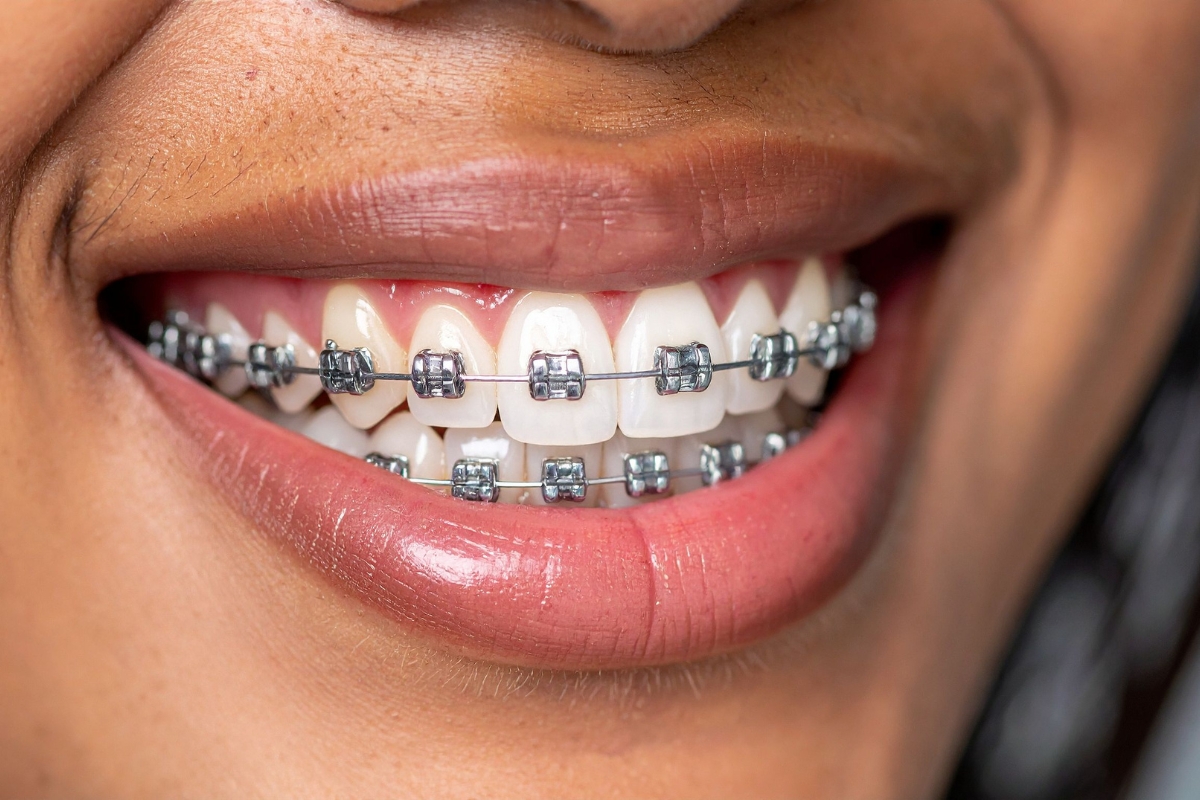
Getting metal braces can be an exciting milestone for kids. It is a signal to begin going towards a healthier smile; sadly, the first week might be quite a challenge. Kids feel uncomfortable with this new sensation of their braces, and parents need to know precisely how to help them during this period. This is why you may have many questions as a parent about what to expect in the first week, and that is totally normal.
In this blog, we will take you through the first week of wearing traditional metal braces. From tips on pain relief to care instructions and guidance on managing all adjustments, we have got you covered. This post will help parents and kids get through the first week of wearing metal braces more comfortably and confidently.
What to Expect During the First Week?
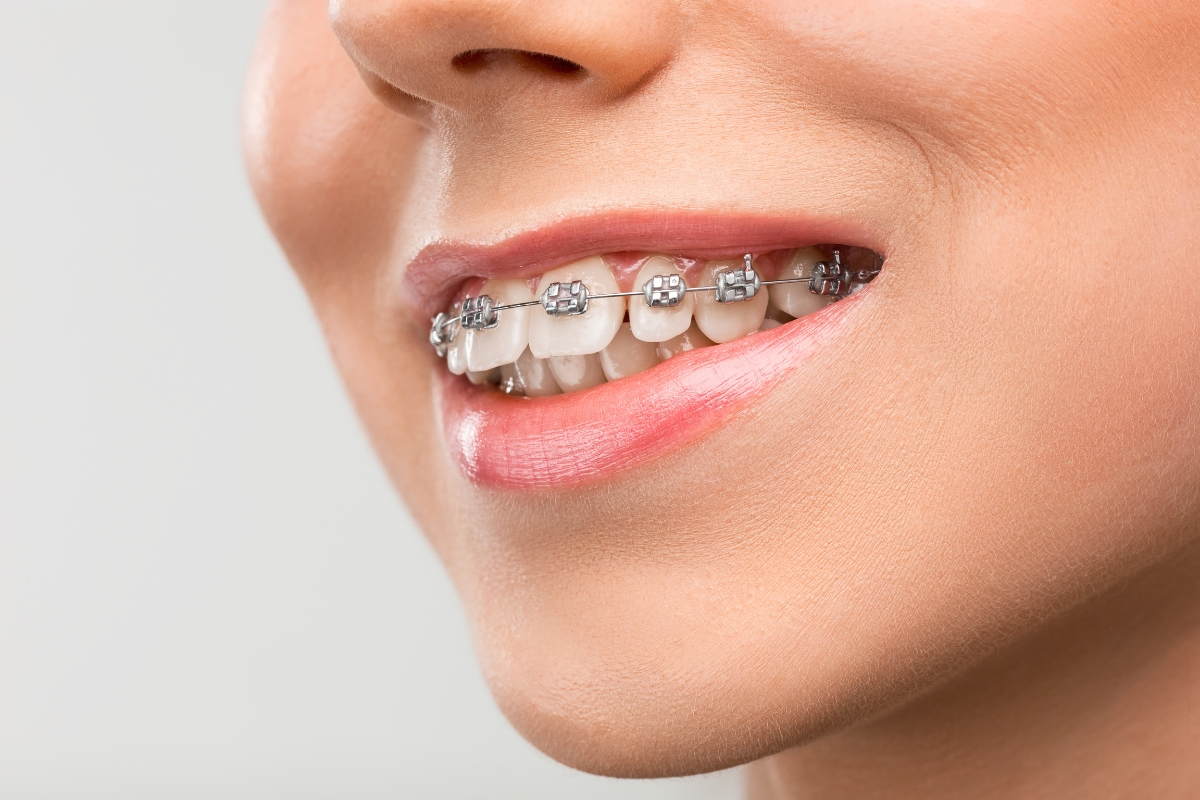
The first few days after a traditional metal braces appointment are the most difficult, with soreness a common complaint. Minor discomfort may occur because kids are not used to the tightness and pressure that braces exert. The addition of brackets and wires inside the mouth may lead to some sore areas. Your child might have difficulties eating, talking, or even smiling comfortably at first.
To soothe the irritation, have soft foods on hand. Mashed potatoes, yogurt, and smoothies are all good options. You can also give your child over-the-counter pain relievers, as instructed by the orthodontist. Sometimes, orthodontic wax can be a lifesaver. When applied to the brackets, it prevents irritation against the inside of the lips and cheeks. It’s a simple trick with significant consequences.
Brushing and Caring for Metal Braces
When your child is getting metal braces in Justin, TX, keeping their teeth clean is very important. It’s quite easy for food and plaque to get stuck around brackets and wires, which can lead to cavities or gum issues. Make sure your child is really brushing at least twice a day with a soft-bristle toothbrush and fluoride toothpaste. A floss threader or special orthodontic floss can help clean between the teeth and around the brackets. Regular visits to the orthodontist are also crucial for adjustments and professional cleanings.
A saltwater rinse may help soothe sore gums. Take a teaspoon of salt and mix it into warm water. Have them rinse with it for 30 seconds to reduce inflammation or irritation from braces.
Coping with the Changes After Braces
It takes some time to get used to having metal braces in the mouth. The wires may need to be tightened at follow-up appointments, and this can sometimes cause temporary discomfort. Your child may experience additional pressure; remember, it means the braces are working and moving the teeth. A few hours of discomfort after adjustments are usually regular and can disappear in a day or two.
Encourage your child to stay on soft foods during these times, as chewing can further stress their teeth. Monitor their progress and continue follow-ups with the orthodontist to ensure that things are proceeding as they should.
Supporting Your Child Wearing Metal Braces
The first week with metal braces does not have to be full of discomfort and uncertainty. If you are searching for metal braces near you, consider approaching an orthodontist who can better guide you through the process and answer any questions you may have. Remember that your frequent visits to the orthodontist, along with at-home dental care, will go a long way toward ensuring the treatment’s success.
At Justin Dental and Braces, we want to help make your child’s orthodontic journey a positive one. Whether you’re getting traditional metal braces or exploring other orthodontic options, we are committed to providing professional treatment in a relaxed, friendly setting. Schedule your consultation with us today, and let us guide you every step of the way!
FAQs
- How long will my child’s teeth hurt after getting braces?
The initial discomfort from braces typically lasts for 2-3 days after the braces are first put on or after adjustments. During this time, your child may feel soreness, especially when chewing or brushing. Over-the-counter pain relievers, along with soft foods like mashed potatoes or yogurt, can help ease the discomfort and speed up the adjustment process. - Can my child eat normally with metal braces?
While your child can eat, it’s recommended to avoid hard, chewy, or sticky foods, especially in the first few days. Soft foods like yogurt, applesauce, and pasta will be much easier on their braces. Hard foods can damage the brackets, and sticky foods may get stuck, making cleaning more difficult and possibly causing discomfort. - What should I do if my child’s braces hurt inside their mouth?
If your child is feeling irritation or soreness from the braces, orthodontic wax is a great solution. Apply the wax to the brackets, causing discomfort. This creates a smooth surface that prevents the braces from rubbing against the inside of the lips or cheeks, helping to reduce pain and irritation. - How often do we need to visit the orthodontist for adjustments to braces?
Typically, orthodontic adjustments are scheduled every 4-6 weeks. These appointments are essential for making minor changes to the braces to keep the treatment progressing. Your orthodontist will let you know the exact timing based on your child’s specific needs and the progress of their treatment plan. - Can my child wear their braces while playing sports?
Yes, your child can still play sports with braces, but it’s essential to use a mouthguard to protect their braces and teeth from injury. Mouthguards designed for braces provide extra cushioning and reduce the risk of damaging the braces or causing mouth injuries during physical activity. - Is it hard to clean teeth with metal braces?
Cleaning teeth with metal braces takes a little more effort, but it is definitely manageable. With tools like an orthodontic toothbrush, floss threaders, and special cleaning aids, your child can keep their teeth and braces clean. Regular brushing and flossing will help prevent plaque buildup and cavities, ensuring a healthy smile throughout the treatment. - Will my child need to wear retainers after braces?
Yes, wearing a retainer is an essential part of the braces treatment. After the braces are removed, a retainer helps keep the teeth in their new position and prevents them from shifting back. Your child will typically need to wear a retainer for a period of time, as advised by the orthodontist, to ensure long-term success.