(940) 242-2022
How Do You Manage Braces while Playing Sports?
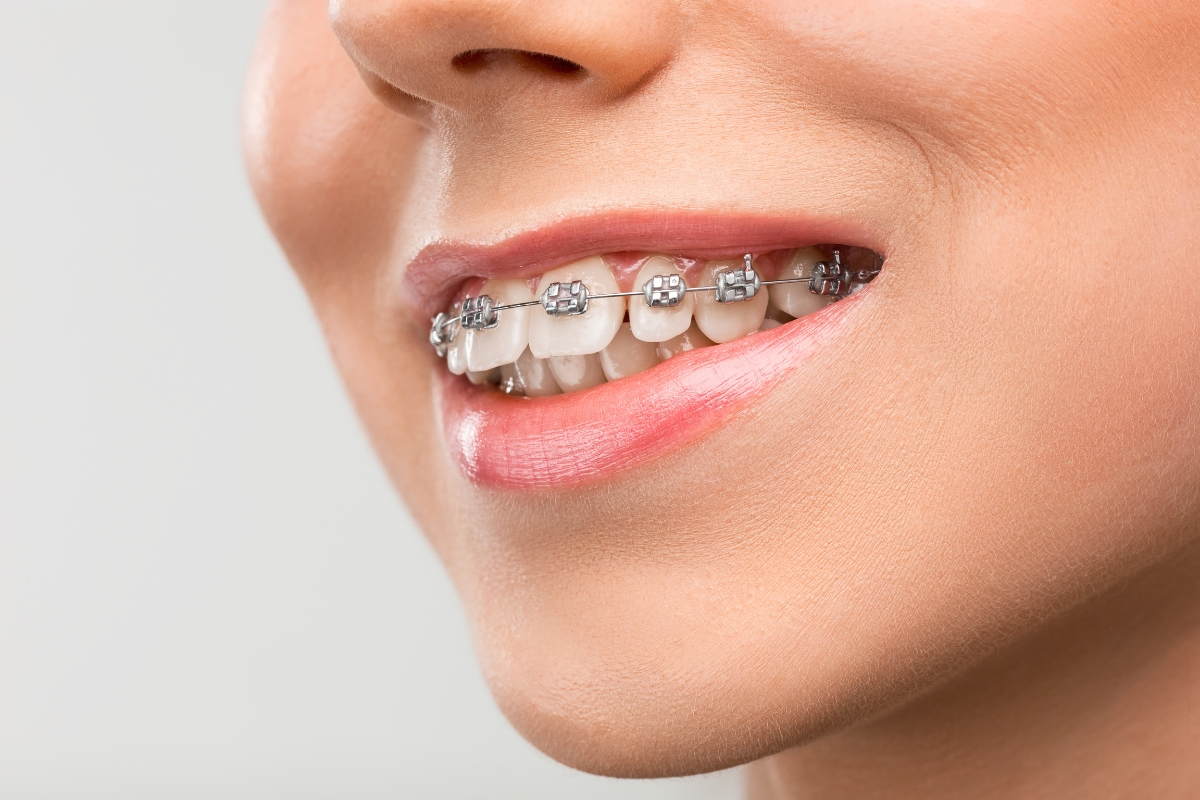
Some people might be daunted by the idea of playing sports with braces, but that’s not necessary. For many active people, metal braces provide comfort. Still, any kind of physical activity carries the risk of injury, and protecting your braces against damage is important to minimize further injury to both your teeth and your orthodontic work.
This blog looks at a few practical ways in which to manage braces while playing sports so that you can stay active, stay safe, and maintain your smile.
Why It’s Important to Protect Your Braces During Sports
Braces are prone to impact during sports. A hard hit to the face or mouth can result in discomfort or serious damage, such as broken brackets or bent wires. These issues could lead to delays in your orthodontic treatment if left untreated and may even affect the alignment of your teeth.
Also, without proper protection during contact sports, many oral health complications, such as cuts and bruises or even dental damage, may arise. This is because it is important to take good care of your braces to ensure that your orthodontic treatment goes smoothly without taking any risks regarding your dental health.
Participating in sports doesn’t mean compromising your metal braces in Justin. It only needs some precautions so that you can enjoy the game and keep your smile intact.
Tips to Manage Braces while Playing Sports
1. Wear a Custom-Made Mouthguard
One of the most important ways to protect your braces is by wearing a custom mouthguard. Unlike store-bought mouthguards, a custom mouthguard is specifically fitted over your braces and teeth for superior protection. They act as a shock absorber during collisions, hence reducing damage to both your braces and teeth.
A well-fitted mouthguard also prevents irritation of your gums and cheeks, especially for those with braces. You will be able to get a custom mouthguard fitted by visiting your orthodontist, who will make one that fits comfortably and securely over your braces.
2. Choose Soft or Flexible Foods Before and After Sports
Healthy nutrition, especially before and after sports events, is crucial when one has braces. This will help avoid discomfort and disruption in the treatment of your teeth due to hard, sticky, or crunchy foods that may damage your braces.
Stick to soft or flexible foods like yogurt, smoothies, pasta, and soups to avoid putting unnecessary pressure on your braces. Eating such food will help your braces stay intact and your teeth aligned. It’s also a good idea to avoid sugary snacks and drinks, as they can contribute to plaque buildup and decay.
3. Be Cautious with Certain Sports
Certain sports, especially contact sports like football, basketball, or hockey, also pose a greater risk of damaging your braces. That doesn’t mean you can’t play them, but you will need to be more careful.
If you play a contact sport, take additional measures by wearing extra face protection with a sports face shield or helmet when playing such sports to offer protection to both your braces and your braces.
Consider less injurious physical activities, like swimming, tennis, and cycling, as alternative choices for exercise to keep your braces safe without losing fun.
4. Brush and Floss Regularly
Good oral hygiene is important at any time, but it’s especially so when a person with braces is participating in sports. Food particles, as well as plaque, need to be cleaned out of the mouth immediately after practice or a match.
Metal braces in Justin are more prone to catching food and bacteria, and thus, keeping the mouth clean will help avoid cavities and other gum diseases. Bring a travel toothbrush and dental floss with you, particularly when going out of town for away games or sports events.
5. Monitor for Damage
After any sports activity, take the time to inspect your braces for any damage. Check for any loose brackets, wires, or any discomfort from your braces.
If you notice anything, be sure to contact your orthodontist to schedule an adjustment. By promptly addressing any damage, additional complications can be avoided, and your treatment can stay on track.
It doesn’t have to be a challenge to manage braces while playing sports. You can keep enjoying your favorite activities without worrying about causing damage to your braces with the right precautions in place, such as a custom mouthguard, soft foods, and good oral hygiene. After all, well-cared-for braces mean your orthodontic treatment stays on schedule.
If you are not sure how to protect your braces during sports, then schedule a consultation with our orthodontist today to discuss options that will allow you to compete safely and keep your smile intact.
FAQs
What are the best sports for someone with braces?
Sports like swimming, tennis, cycling, and other non-contact activities are ideal for those with braces as they present fewer risks to oral health.
How can I prevent mouth sores while wearing braces and playing sports?
A mouthguard can help prevent irritation and mouth sores by cushioning the brackets against your gums and cheeks during sports.
What should I do if I develop a mouth sore from my braces?
Use orthodontic wax to cover the affected area and visit your orthodontist if the sore persists or becomes painful.
Is there any extra protection for my gums when wearing braces during sports?
Yes, custom mouthguards provide additional protection to your gums, reducing irritation and the risk of cuts or abrasions during physical activities.
How do I care for my braces after sports?
After sports, brush and floss thoroughly to remove food particles and plaque. Rinse your mouth with water to keep your braces clean.