(940) 242-2022
Why Do Teeth Move After Braces and How to Avoid It?
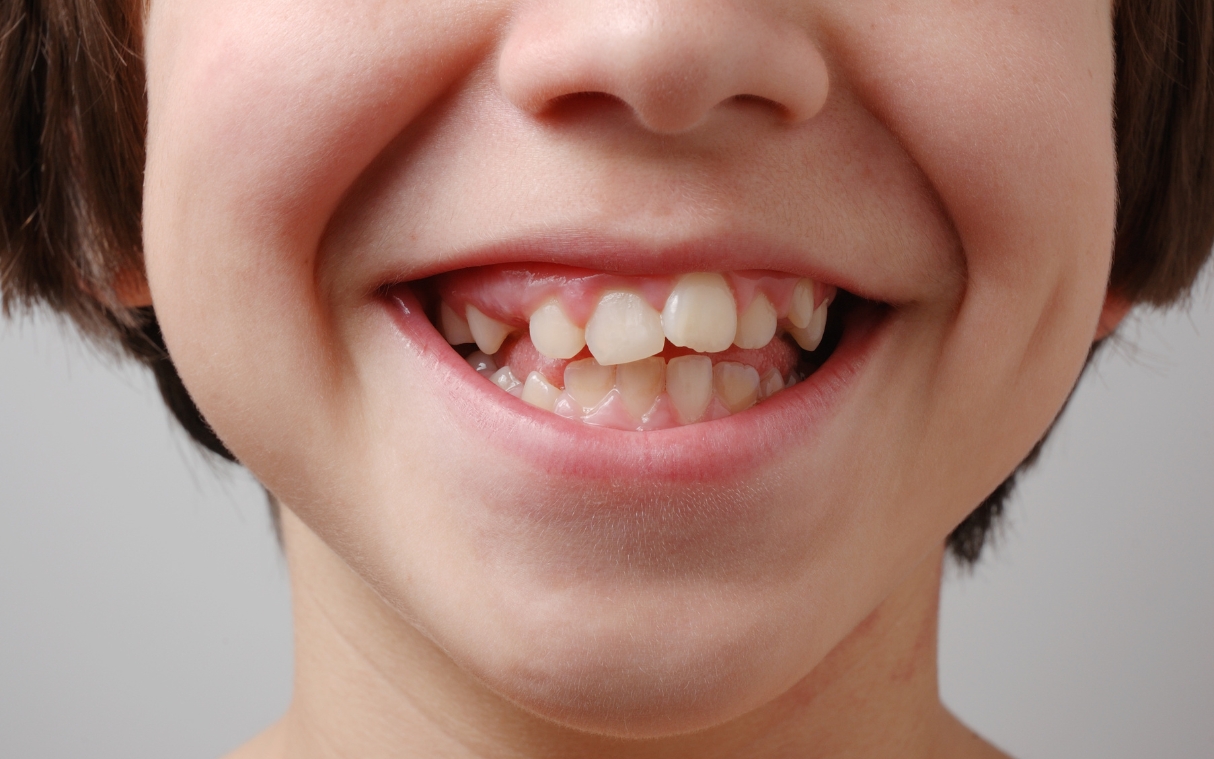
Braces are removed. Your teeth appear straight, your bite is correct, and your wire and bracket-free life has finally arrived. But months or weeks down the line, something goes awry. Your teeth begin moving—slightly at first, but enough to notice. What’s happening? Is all that brace time being wasted?
Teeth shifting with braces is a reality, and it occurs more than anyone agrees to accept. However, why does this take place, and most importantly, how can you stop teeth from shifting after braces? Let’s take a deep dive to help you preserve that painstaking smile.
Why Do Teeth Move After Braces?
Braces nudge teeth into better spots but don’t make the spots permanent. The reasons behind teeth shift even after the brace treatment are listed below:
- Ligament Memory: Teeth are attached to the jaw bone with small ligaments that extend while orthodontic treatment happens. After the removal of braces, those ligaments attempt to draw teeth to their original location.
- Natural Aging Process: Teeth gradually move through changes in gum health and bone density as we grow older.
- Daily Pressure: Routine habits—chewing, speaking, even swallowing—put pressure on teeth. Over the long term, these tiny pressures can change alignment.
- Wisdom Teeth & Delayed Growth: Shifting can occur for some individuals due to late-developing wisdom teeth or jaw structure alterations.
- Grinding or Clenching: Grinding teeth can cause repeated pressure that advances them out of position.
- Failure to Wear Retainers: Retainers hold teeth in position. Skipping a retainer now and then allows your teeth to shift.
How to Prevent Teeth from Shifting After Braces?
Maintaining your teeth straight after braces is a bit of work, but it’s doable. Here’s what you have to do:
- Wear Your Retainer
No Excuses! Your orthodontist will give you a retainer to keep your teeth in position. Ignoring it raises the risk of teeth shifting. Regardless of whether it’s a removable or fixed retainer, stick to the instructions strictly.
- Select the Right Type of Retainer
Fixed Retainers: Thin wires welded behind the front teeth. They function 24/7 without additional effort.
Removable Retainers: They are available in clear plastic (Invisalign-style) or old-fashioned wire-and-acrylic forms.
Which one is best? Fixed retainers stop shifting all the time, and removable ones provide flexibility.
- Schedule Regular Dental Checkups
Your dentist can identify early signs of shifting before becoming an issue. Professional cleanings keep the gums and bone healthy, which underlies stable teeth.
- Be Aware of Bad Habits
Don’t bite your nails, chew ice, or use your teeth to open packages—these will stress teeth into moving.
If you grind your teeth at night, try a custom nightguard to keep pressure off your smile.
- Keep Your Smile Healthy
Gums that are healthy and bones that are strong are the best foundation for straight teeth.
Brush twice a day, floss daily, and use toothpaste with fluoride.
What If Your Teeth Have Already Moved?
Even with perfect care, some minor shifting is possible. If your teeth have shifted, don’t worry—there are options:
- Retainer Adjustments: A slightly crooked smile can be fixed by wearing your retainer more often.
- Invisalign or Clear Aligners: If shifting is more pronounced, a brief course of aligners can shift teeth back into place without reverting to full braces.
- Orthodontic Evaluation: If the shift is significant, an orthodontic specialist in Justin can evaluate whether you need further treatment.
Braces landed you the smile you desire—now the future is in your hands. Wear your retainer, continue excellent dental habits, repair minute movements ahead of time, and stop teeth from shifting after braces to have beautifully aligned teeth forever.
Notice your teeth moving? Don’t wait until it’s worse. Book a consultation today to maintain your best smile!