(940) 242-2022
Bad Breath and Braces: How to Stay Fresh While Wearing Appliances
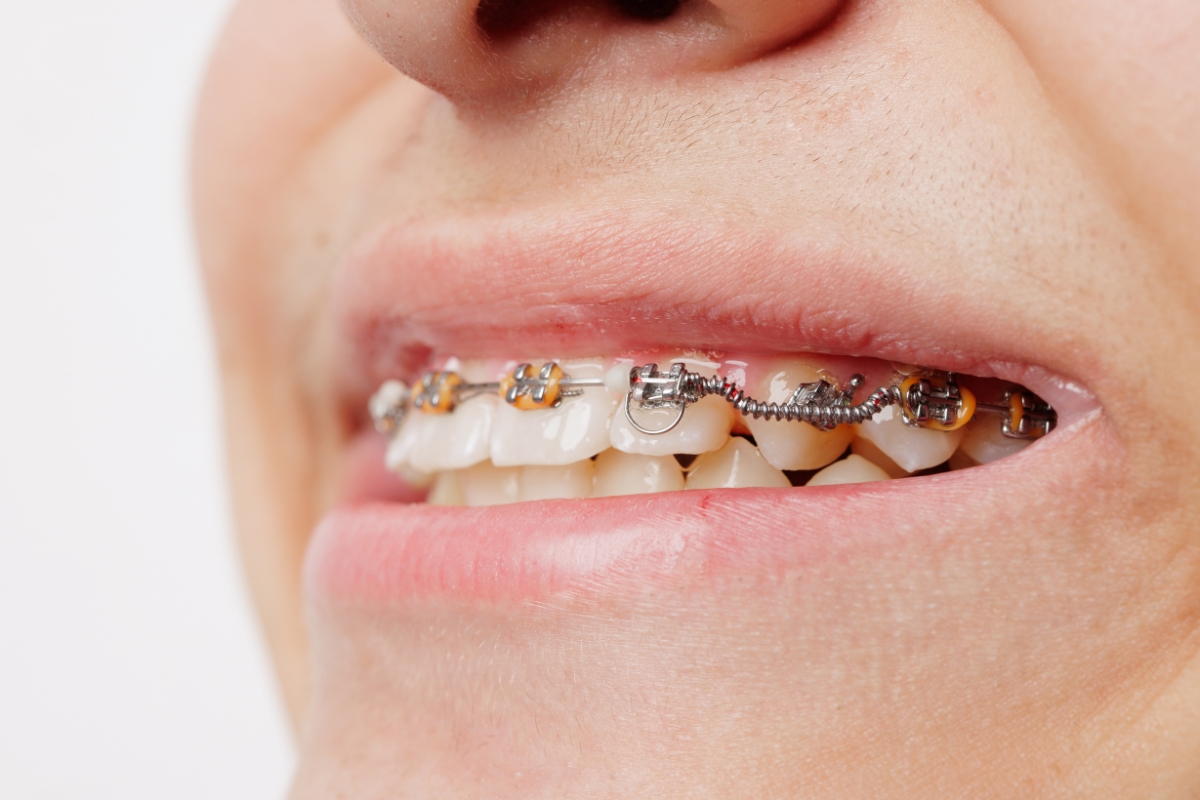
Wearing braces is a big step towards a perfect smile, but it can sometimes lead to an uncomfortable issue: bad breath. While braces are essential for straightening teeth, they can trap food particles and make it more difficult to clean your mouth properly. For many, this results in an unpleasant odor that can affect confidence and comfort.
At Justin Dental and Braces, we understand that maintaining fresh breath while wearing metal braces is important, not just for your self-esteem but for your overall oral health. In this blog, we’ll explore the causes of bad breath with braces and offer practical tips on how to stay fresh throughout your treatment.
Understanding the Cause of Bad Breath with Braces
Plaque Buildup
Braces are excellent for fixing dental alignment, but they can create spaces where food particles and plaque easily accumulate. The brackets and wires provide the perfect environment for bacteria to thrive, especially if food is left behind after eating. These bacteria produce sulfur compounds, which contribute to that unpleasant smell commonly known as bad breath.
Difficulty Cleaning
Cleaning teeth with metal braces can be tricky. Traditional brushing methods may not reach every area around the brackets, and flossing can be time-consuming and challenging. As a result, plaque builds up around the braces, leading to the growth of bacteria that causes bad breath. Without regular and thorough cleaning, your braces can exacerbate oral health issues like gum disease and tooth decay, which further contribute to unpleasant odors.
Dry Mouth
Another common issue for braces-wearers is dry mouth. The brackets and wires can make it harder to move your tongue and cheeks freely, which reduces the amount of saliva your mouth produces. Saliva plays a vital role in washing away food particles and neutralizing acids, so a dry mouth creates the perfect environment for bacteria to grow. Reduced saliva flow can make bad breath even worse.
Tips to Prevent and Combat Bad Breath with Braces
Having braces is a significant step towards achieving a beautiful, straight smile. However, one of the most common issues that arises during treatment is bad breath. Fortunately, there are several strategies you can adopt to maintain fresh breath while wearing metal braces in Justin.
Here’s how to combat bad breath effectively:
Brush and Floss Regularly
Brushing and flossing are essential parts of maintaining oral hygiene, especially when you have braces. Braces can trap food particles and plaque around the brackets and wires, making it easier for bacteria to accumulate and cause bad breath. That’s why it’s crucial to brush your teeth after every meal, ensuring that all food remnants are removed.
Use a soft-bristled toothbrush and fluoride toothpaste to clean your teeth, gums, and braces. Make sure to reach every nook and cranny, especially around the brackets, where food can easily get stuck.
Flossing is equally important, as it helps remove any debris between your teeth that your toothbrush can’t reach. When wearing metal braces, traditional flossing can be tricky, but you can use special orthodontic floss, which is designed to slide between the brackets and wires more easily.
If regular flossing is challenging, consider using a floss threader to make the process smoother. By brushing and flossing regularly, you’ll be able to keep your teeth clean and your breath fresh.
Use Interdental Brushes
Interdental brushes are small, cone-shaped tools that are perfect for cleaning between your braces and brackets. They’re excellent for dislodging food particles and plaque that can accumulate in hard-to-reach areas. Using an interdental brush after each meal can help ensure that food isn’t trapped in your braces, reducing the chances of bacteria buildup and bad breath.
These brushes come in various sizes, so it’s important to choose one that fits comfortably between your teeth and braces. They can also help clean areas where your toothbrush might miss, ensuring that your mouth stays clean and fresh throughout the day.
Mouthwash and Water
Mouthwash can be a quick and effective way to freshen your breath and kill bacteria. Look for an alcohol-free mouthwash that’s specifically formulated for people with braces. These mouthwashes are gentle on your gums and teeth, while still offering antibacterial protection that helps reduce bad breath. Swishing mouthwash after meals or throughout the day can help eliminate any lingering food particles and bacteria, giving you instant freshness.
In addition to mouthwash, drinking plenty of water throughout the day is essential for combating bad breath. Water helps rinse your mouth naturally and flushes away food particles that may be trapped in your braces. It also promotes the flow of saliva, which is your mouth’s natural defense against bad breath. Staying hydrated helps prevent dry mouth, a common issue for those with braces, and ensures that your mouth stays fresh and clean.
Chewing Sugar-Free Gum
Chewing sugar-free gum is a simple yet effective way to keep your breath fresh throughout the day. Gum stimulates saliva production, which naturally helps rinse away food particles and neutralizes odors. Saliva also plays a vital role in fighting bacteria in the mouth, helping prevent the buildup of plaque and reducing the chances of bad breath.
Opt for gum that contains xylitol, a sugar substitute that has been shown to have antibacterial properties. This type of gum not only helps freshen your breath but also fights plaque and bacteria, making it a great addition to your oral care routine. Keep a pack of sugar-free gum handy for a quick refresh after meals or whenever you need an extra boost of freshness.
Use a Tongue Scraper
The surface of your tongue is a common breeding ground for bacteria that can lead to bad breath. When wearing braces, it’s easy for bacteria to accumulate on the tongue, contributing to unpleasant odors. That’s why using a tongue scraper is an excellent way to maintain fresh breath.
A tongue scraper is a simple tool designed to remove bacteria, food particles, and dead cells from the surface of your tongue. Gently scrape the back of your tongue to the front, using the scraper to remove any buildup. This will not only help freshen your breath but also improve your overall oral hygiene. Incorporating a tongue scraper into your daily routine can be a game-changer in keeping your mouth clean and fresh while wearing metal braces.
Foods That Help Freshen Breath
Fresh Fruits and Vegetables
Crunchy fruits and vegetables like apples, carrots, and celery not only clean your teeth naturally but also stimulate saliva production. These foods help wash away food particles and neutralize odors. They are also rich in water content, which can help keep your mouth hydrated and fresh.
Herbs
Fresh herbs like parsley, mint, and cilantro are natural breath fresheners. They contain chlorophyll, which can neutralize odors in the mouth. Chewing on a sprig of mint or parsley after meals is a great way to combat bad breath and give your mouth a refreshing boost.
Water and Tea
Staying hydrated is crucial for maintaining fresh breath, especially while wearing braces. Water helps rinse your mouth and promotes the flow of saliva, which naturally cleanses the mouth. Green tea is also an excellent option. It contains antioxidants that help fight bacteria, and the polyphenols in green tea have been shown to reduce bad breath. Drink a cup of green tea after meals for added freshness.
The Role of Regular Orthodontic Visits
Braces Adjustments and Cleanings
Regular visits to the orthodontist are essential for maintaining your metal braces in Justin and managing bad breath. During your appointments at Justin Dental and Braces, your orthodontist will check the alignment of your braces and make any necessary adjustments. This ensures that your braces continue to work efficiently. Regular check-ups also allow your orthodontist to assess your oral health, ensuring that no buildup of plaque or bacteria is contributing to bad breath.
Professional Cleaning
While daily brushing and flossing are critical, professional cleanings at your dental appointments are equally important. A professional cleaning helps remove plaque buildup around your braces, ensuring that your teeth and gums stay healthy. Your dentist can also identify any potential issues, such as gum disease or cavities, that could lead to bad breath, giving you the opportunity to address them early.
Keeping your breath fresh while wearing metal braces can be a challenge, but with the right habits and care, it’s entirely achievable. Regular brushing, flossing, and using the right tools like interdental brushes and mouthwash can make a big difference.
Additionally, staying hydrated and eating fresh, crunchy foods can help keep your mouth clean and fresh. Remember, visiting Justin Dental and Braces regularly for adjustments and professional cleanings is key to managing bad breath and maintaining your oral health.
If you’re struggling with bad breath or need help managing your braces, contact us today at Justin Dental and Braces for a consultation. We’re here to help you achieve a healthier, more confident smile!
Frequently Asked Questions
How often should I brush my teeth with braces?
Brush after every meal to remove food particles and plaque, and ensure fresh breath throughout the day.
What type of gum is best for freshening breath with braces?
Sugar-free gum, especially with xylitol, helps stimulate saliva and neutralizes bad breath.
How do interdental brushes help with bad breath?
Interdental brushes clean between brackets and wires, removing trapped food particles and plaque that can cause bad breath.
Can dry mouth cause bad breath with braces?
Yes, dry mouth can contribute to bad breath, as it reduces saliva flow, which naturally cleans the mouth.
What foods can help freshen breath while wearing braces?
Crunchy fruits and vegetables, like apples and carrots, help clean teeth and freshen breath naturally.