(940) 242-2022
Affordable Braces: Which Treatment Options Are Right for You?
Are you dreaming of a straighter smile but worried about the cost?
You’re not alone!
Affordable braces can make a big difference without breaking the bank. With so many options available, finding the right type for your budget and needs might seem overwhelming. But don’t worry—this guide will help you navigate the world of braces and discover which treatment fits best for you.
From traditional metal braces to cutting-edge clear aligners, each option has its own set of benefits and costs. We’ll break down what you need to know about each type, so you can make an informed choice. Whether you’re looking for the most cost-effective solution or the most discreet option, we’ve got you covered. Let’s dive into the details and find the perfect braces to help you achieve that confident smile you’ve always wanted!
Traditional Metal Braces: The Classic Choice
Traditional metal braces are the most well-known and widely used option in orthodontics. They’ve been around for decades and have a reputation for reliability and effectiveness. Here’s a closer look:
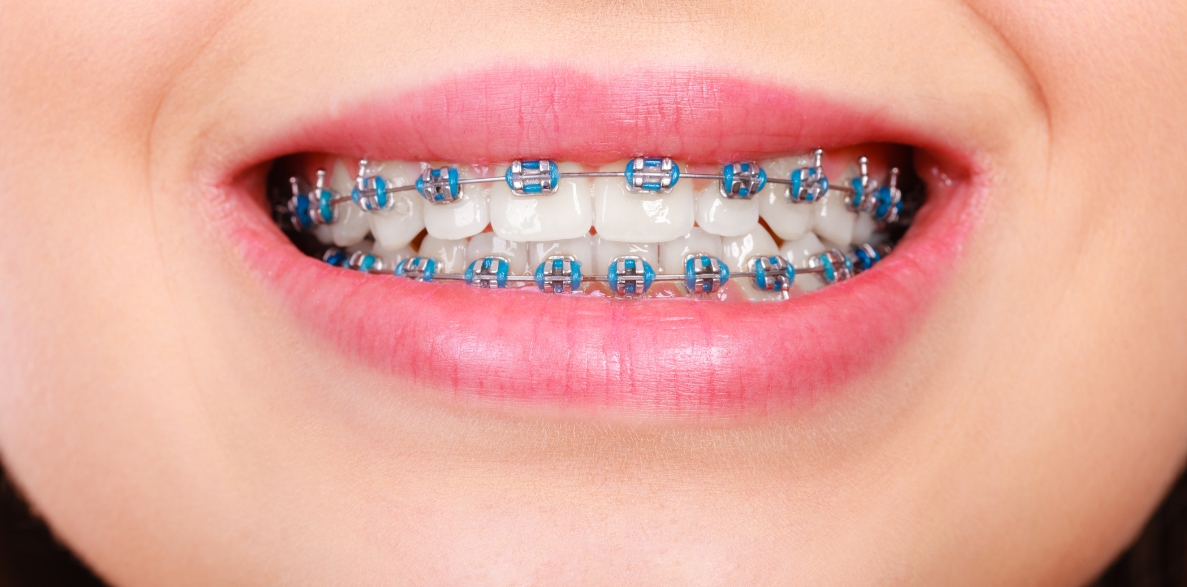
What They Are: Made of stainless steel, these braces consist of metal brackets attached to the teeth with a wire connecting them. They apply gentle pressure to shift your teeth into alignment.
Cost Considerations: Traditional metal braces are often the most budget-friendly option. Their affordability stems from the common use of basic materials and a long track record of effectiveness.
Benefits:
- Proven Effectiveness: They handle complex cases and severe misalignments with ease.
- Lower Cost: Generally more affordable than newer options, making them accessible for many.
- Durability: Metal braces are strong and less likely to break or become damaged.
If you’re searching for affordable braces near me, traditional metal braces could be a solid choice. They offer a proven track record without stretching your budget.
Ceramic Braces: A Discreet Alternative
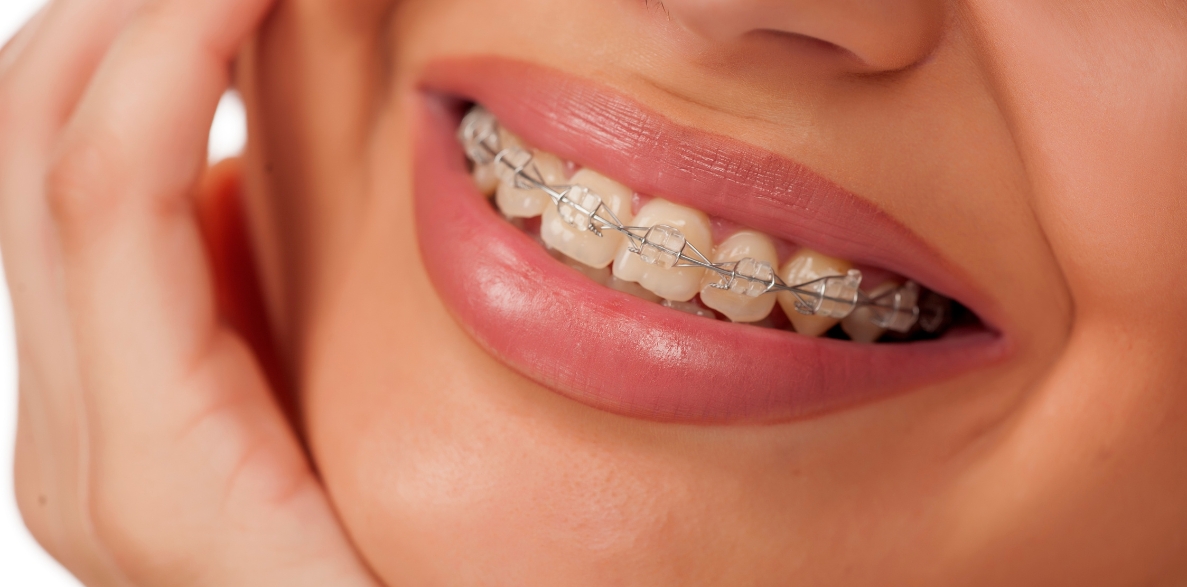
Ceramic braces offer a more aesthetic alternative to traditional metal braces. They blend better with your teeth, making them less noticeable.
What They Are: Ceramic braces use clear or tooth-colored brackets and wires, making them less visible than metal braces. They work similarly by applying pressure to align your teeth.
Cost Considerations: Ceramic braces typically range from $4,000 to $8,000. They are more expensive due to the higher cost of materials and the more complex manufacturing process.
Benefits and Drawbacks:
Benefits:
- Aesthetics: They are much less noticeable, which can be appealing for adults and teens.
- Effective: They work similarly to metal braces for most orthodontic issues.
Drawbacks:
- Higher Cost: They are more expensive than metal braces.
- Fragility: Ceramic brackets can be more prone to breaking, and the braces may stain over time if not properly cared for.
Lingual Braces: Hidden Braces for a Subtle Look
Lingual braces are a unique option for those who want their braces to be completely hidden. They are placed on the back side of the teeth.
What They Are: These braces are custom-made and attached to the inside surfaces of your teeth. They function similarly to traditional braces but are invisible from the outside.
Cost Considerations: The high cost of lingual braces is due to the custom nature of the braces and the specialized skills required for their placement.
Benefits and Drawbacks:
Benefits:
- Invisibility: They are completely hidden from view, ideal for those who prefer discretion.
- Effective for All Cases: They can address most orthodontic issues effectively.
Drawbacks:
- Comfort: They may be less comfortable initially and can affect speech.
- Cleaning: They require meticulous cleaning and care to avoid plaque buildup.
Clear Aligners: The Modern Solution
Clear aligners are a popular alternative to traditional braces. They offer a more comfortable and virtually invisible way to straighten your teeth.
What They Are: Clear aligners, like Invisalign, are made of smooth, transparent plastic. They gradually move your teeth into place through a series of custom-made aligners.
Cost Considerations: The cost of clear aligners can vary based on the complexity of the case and the length of treatment.
Benefits and Drawbacks:
Benefits:
- Aesthetics: They are nearly invisible, making them a popular choice for adults.
- Removability: You can remove them for eating and cleaning.
Drawbacks:
- Complex Cases: They may not be suitable for very complex orthodontic issues.
- Compliance Required: You must wear them for 20-22 hours a day for effective results.
Payment Plans and Financing Options
Affording braces can be easier with the right financial options. Many orthodontic practices offer flexible payment plans and financing.
What to Look For:
- Insurance Coverage: Check if your dental insurance covers orthodontic treatment and what portion of the cost it will cover.
- In-House Financing: Many practices offer payment plans that allow you to spread the cost over time.
- Third-Party Financing: Companies like CareCredit provide financing options for dental procedures.
Tips for Managing Costs:
- Budgeting: Plan ahead for monthly payments to fit your budget.
- Discounts: Ask about any available discounts or promotions for new patients.
Comparing Costs and Choosing the Best Fit
Choosing the right braces involves comparing costs, treatment duration, and overall benefits. Here’s how to make an informed decision:
Factors to Consider:
- Treatment Duration: Some options, like clear aligners, may offer faster results for certain cases.
- Maintenance: Consider how easy or difficult each type of braces is to maintain.
- Long-Term Benefits: Think about the long-term benefits of each option in terms of effectiveness and comfort.
Making Your Decision:
- Assess Your Needs: Match your orthodontic needs with the features of each braces option.
- Budget Considerations: Choose an option that fits your budget without compromising quality.
Consultation and Getting Started
The best way to decide on braces is to consult with an orthodontist. Here’s how to get started:
Steps to Take:
- Schedule a Consultation: Contact an orthodontic practice to book an initial consultation.
- What to Expect: During the consultation, discuss your goals, treatment options, and financial considerations.
Questions to Ask:
- Experience and Qualifications: Ask about the orthodontist’s experience with different types of braces.
- Treatment Plan: Inquire about the expected duration and outcome of your treatment.
- Costs and Payment Options: Get detailed information about the cost and available financing options.
Choosing the right braces for your budget and needs can seem overwhelming, but with the right information, it’s a manageable decision. Whether you opt for traditional metal braces, ceramic braces, or clear aligners, each option offers distinct advantages and considerations. Dive into your choices, compare costs, and consult with an orthodontist to find the perfect fit. With the right approach, you’ll be on your way to a confident, beautiful smile without breaking the bank.