(940) 242-2022
How to Brush & Floss with Braces: Dr. Shah’s Guide
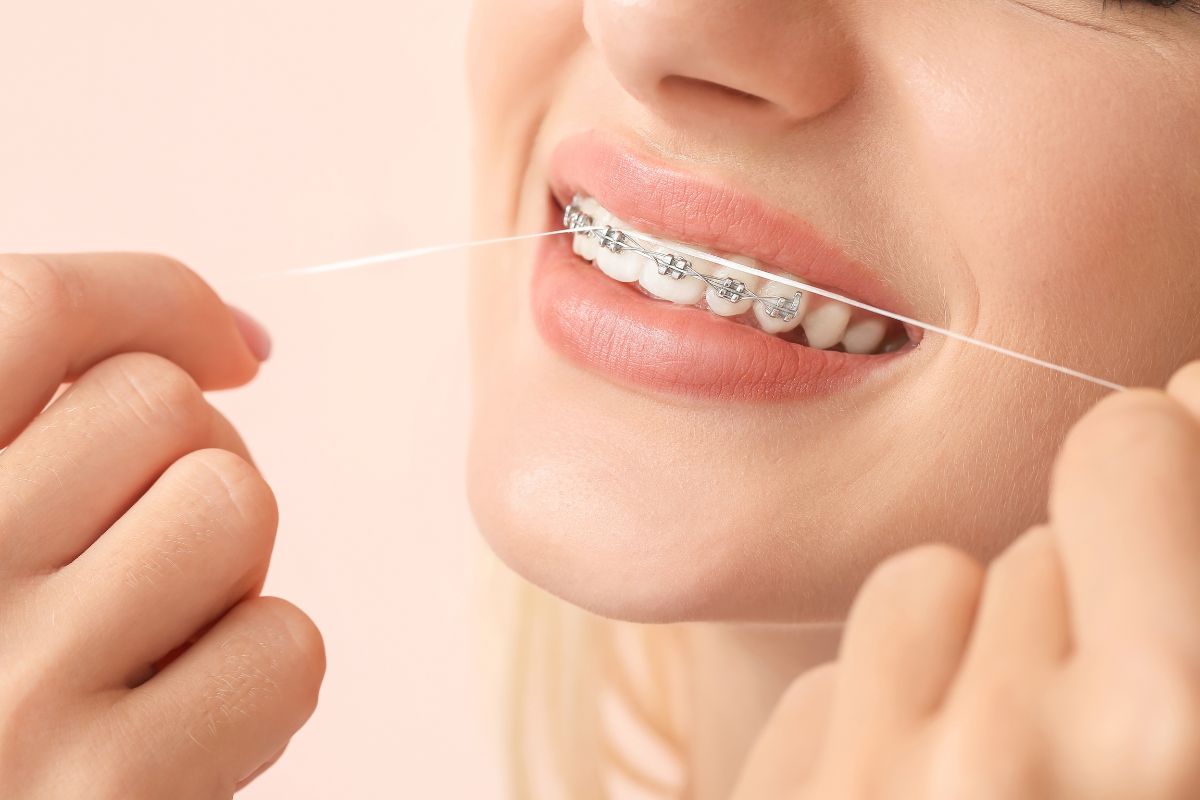
Braces change the way you brush your teeth—unless you develop the proper routine, plaque builds up rapidly around wires and brackets. If you’re starting treatment (or helping your child), this reassuring, practical guide tells you exactly what you must do daily in order to have a clean, comfortable mouth.
Why oral hygiene is more important with braces
Plaque builds up where brackets are in contact with enamel and along the gumline. That can lead to gum inflammation and chalky-looking “white spot” discolorations if it just has enough time. Gingivitis and white spot lesions are both common occurrences in orthodontic treatment, so a good routine protects your smile during this period and when the braces come off.
Here’s yet another excellent reason to stay on top of it: almost half of adults in the United States aged 30 and older have at least some form of periodontitis, a deep gum infection that begins with plaque accumulation. Proper daily oral cleaning eliminates that possibility while you are wearing braces.
Your braces-safe brushing routine
Two times a day for two minutes with a soft-bristle toothbrush and fluoride toothpaste is still the gold standard. Angle bristles 45° along the gumline and brush all of the bracket: top edge, bottom edge, and the chewing side. Sweep along inside surfaces and finish with the tongue. Replace your brush every 3–4 months or sooner if bristles are frayed.
Flossing that actually works around wires
Cleaning between teeth once a day removes the plaque your brush leaves behind. With braces, choose tools you’ll use consistently:
- Floss threader or orthodontic “superfloss” to thread beneath the wires.
- Interdental brushes for larger spaces and brackets.
- Water flosser for a gentle rinse beneath wires and along the gumline, if fingers are wedged up.
Water flossers carrying the ADA Seal of Acceptance have been shown to remove plaque safely and decrease gingivitis throughout orthodontic treatment.
Timing, products, and small wins
Brush in the morning and at night; add a brief mid-day cleaning after starch-rich sticky snacks. Use ADA-Accepted fluoride toothpaste and a soft head brush small enough to easily brush the back molars. Powered brushing is acceptable too—if you enjoy it, you can use it; powered brushes and manual brushes both work well with good technique.
Need to get a hand demo done on threaders or water flossers? Visit our orthodontist in Justin and have a dental care crew get you set up. You’ll feel wonderful.
Pain areas to monitor (and correct)
- Along bracket edges: brush with a proxy brush, then re-brush the area for a second or two.
- Below archwire: slow water flosser, then thread floss to complete.
- Between molars: Use large interdental brushes to clean well without breaking the floss.
- White spots in early stages: increase daily removal of plaque and fluoride use; report any new chalky spots at your next check-up.
A daily routine is worth it
You’re investing time in tooth movement—protect it with consistent care. The right toothbrushes, one for thorough between-teeth cleaning, and quick touch-ups after sticky meals, keep gums calm, breath fresh, and enamel strong.