(940) 242-2022
White Spots Around Brackets: Prevention & Treatments in Justin
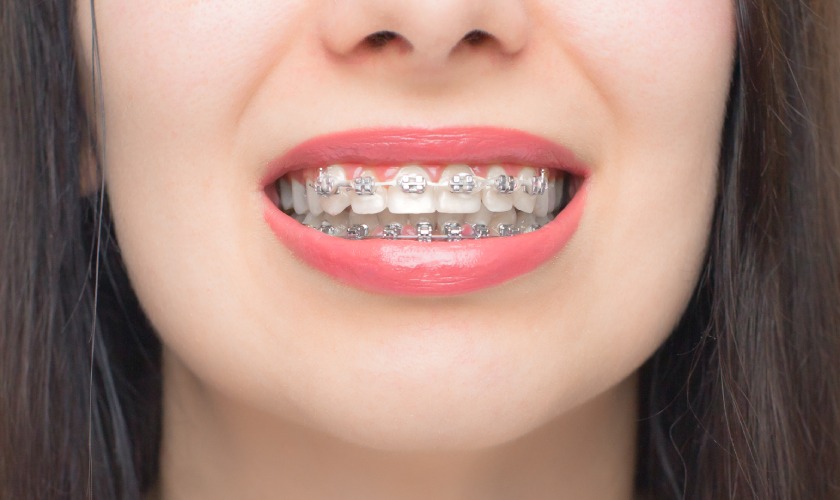
White spots near brackets may catch you off guard when the braces are removed. These cloudy spots, early enamel decay, develop where plaque biofilm accumulates undisturbed. The good news: with regular care and proper in-office assistance, you can avert most marks and enhance those already present without drilling.
What causes the spots?
White spots are demineralized enamel. The bacteria present in plaque release acids that extract minerals from the tooth surface. People with braces mostly accumulate debris around brackets and along the gumline, as this spot is difficult to brush.
Prevention that works
Home oral care routine you can follow
- Use a fluoride toothpaste to brush around brackets. Do this twice a day at a 45-degree angle.
- Do not skip flossing during your nighttime oral care routine. You can also opt for a water flosser if you usually deal with a tight schedule.
- An alcohol-free antimicrobial mouth rinse helps you simplify your oral hygiene routine.
- Regular application of topical fluoride helps harden enamel and reduces new white spot lesions during orthodontic treatment, according to high-quality reviews.
Smart choices during the day
- Drink 12 to 16 cups of water daily. Restrict frequent snacking on sugary or acidic foods to prevent plaque. Saliva requires breaks to neutralize acids and allow enamel to remineralize.
Office assistance that alters results
Request professional fluoride varnish during adjustment appointments; regular applications reduce the risk of developing new lesions while wearing appliances. If you or your teen is wearing metal braces in Justin, this simple, proven treatment can help you improve your cosmetic oral health.
If lesions develop, choose evidence-based treatments
Step 1: Noninvasive remineralization
Your orthodontist in Justin can combine fluoride varnish with CPP-ACP (a milk-protein calcium-phosphate cream) to assist with replacing eroded minerals. Studies show CPP-ACP (with or without fluoride) decreases lesion severity. Talk to your dental professional to tailor your oral care plan. The right treatment can lighten white spot lesions several shades with time.
Step 2: Minimally invasive—resin infiltration
For persistent spots, resin infiltration (e.g., ICON) penetrates a clear resin into open enamel to cover up opacity and thicken the surface—all with no drilling. A 2023 systematic review documents benefits for resin infiltration (and P11-4 with fluoride) versus fluoride alone for esthetic enhancement.
Step 3: Microabrasion or combined care
Selective microabrasion with polishing pastes may also further blend shallow lesions, sometimes in combination with CPP-ACP or resin infiltration to enhance a natural appearance. Your practitioner will not over-treat healthy enamel and will opt for the least invasive first.
Your treatment plan, made easy
- Master the home oral care routine that you can perform daily.
- Rely on in-office fluoride varnish during treatment.
- Early marks are treated quickly; the earlier the intervention, the better the outcome.
White spots around brackets don’t have to be a permanent sign of braces. If you’re seeing changes in your dental appearance or want a prevention plan that fits your schedule, schedule a consultation with Affordable Braces Justin today. We’ll map out the next steps that protect your smile and keep treatment on track.