(940) 242-2022
Getting Braces with Cavities or Gum Issues? What Patients Should Know

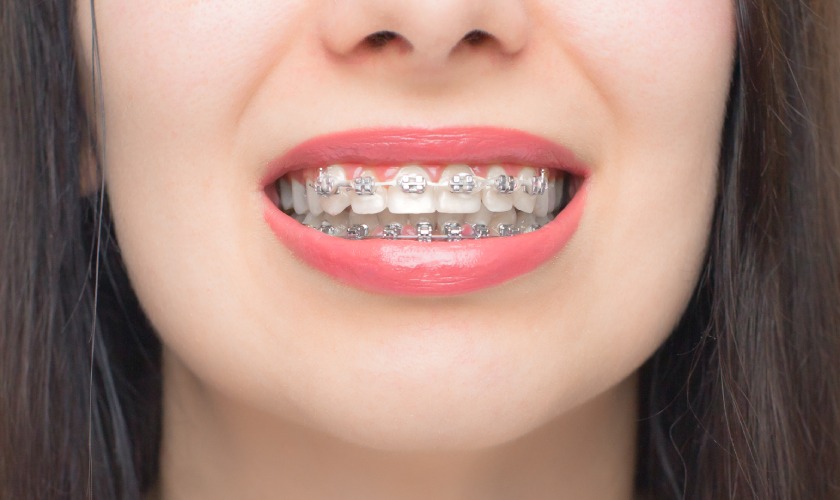
Did your dentist just recommend you get braces? But you’re worried about cavities or sore gums? It’s a common scenario that orthodontic patients undergo. But undergoing orthodontic treatment doesn’t have to be choosing between this or that. Your brace treatment can work fine without neglecting gum health. This guide sheds light on what to fix before you put on the braces, how your gum health plays a role in the efficacy of the treatment, and what to do if you face a struggle mid-treatment.
First, stabilize your oral health
The American Association of Orthodontists recommends a dental cleaning, cavity filling, and plaque control before orthodontic treatment begins. In general, orthodontic treatment will not begin until active decay has been treated. Beginning with a healthy mouth keeps treatment on a timely schedule and reduces complications.
Why is this important
Gum issues are not uncommon, either: approximately 42% of U.S. adults aged 30+ have some degree of periodontitis, an issue that must be addressed before moving teeth.
If you are looking for dental braces in Justin, consult your local, reliable orthodontist to work together so that the process begins on firm ground and remains there. Cooperation also aids anxious patients who have oral complications and prefer a safer option to continue.
Cavities: Can it begin anyway?
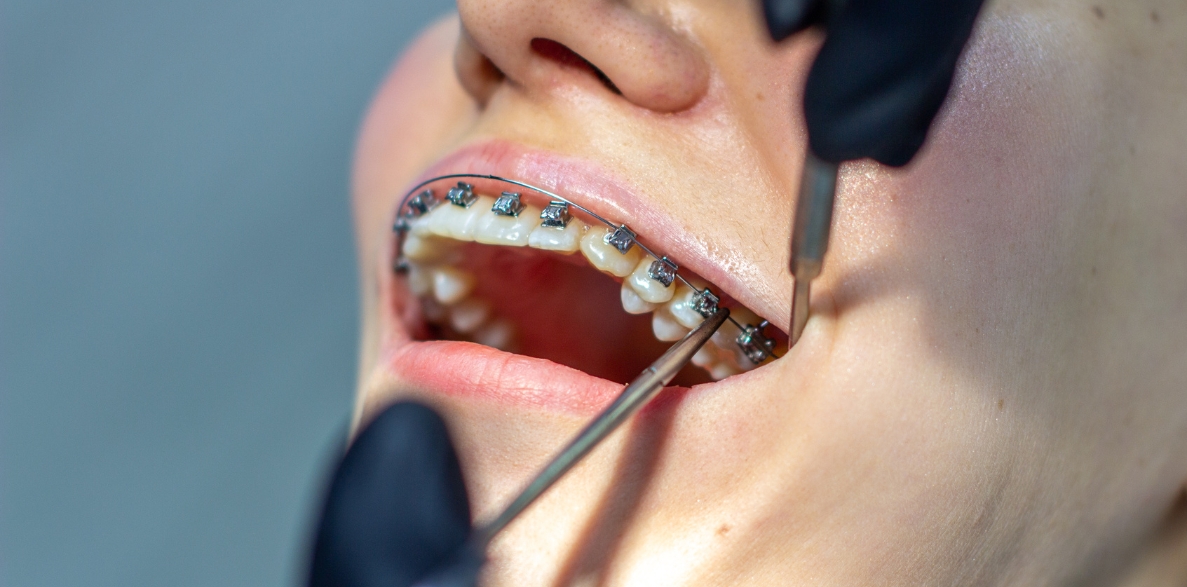
Short answer: fix decay first. Teeth that are under total attack don’t work well with orthodontic tools or trapped plaque. If a patient develops a cavity during a treatment, the dental care team can temporarily remove a wire or a bracket so that your dentist can fill the tooth, then continue orthodontics without sidetracking progress.
Gum disease: timing and sequence
Orthodontic tooth movement with the presence of uncontrolled periodontal inflammation is unsafe. Current reviews and consensus statements rank periodontal treatment before orthodontics. So, it’s recommended to continue your orthodontic treatment once gum inflammation is under control.
Are clear aligners gentler on gums?
For periodontal-susceptible patients, removable clear aligners may make maintaining oral hygiene easier and improve periodontal health when used alongside professional dental care. Treatment choice, though, depends on your bite, bone levels, and goals; your orthodontist will weigh these factors with you.
Next steps: a simple plan
- Thorough exam and radiographs to locate decay or gum infection.
- Fill the gap with fillings, sealants, or periodontal care.
- Follow a foolproof home oral care routine (fluoride, interdental brushing, check-ups).
- The patient should only proceed with appliance placement once oral tissues are stable and quiet.
You can still have that smile. The solution is sequencing: fix the disease first, then reshape the teeth. That sequence saves enamel, gums, and your time. Cavity development during braces treatment is a preventable detour, not an obstacle.
Schedule an appointment with our board-certified orthodontist in Justin to examine your bite, cavity risk, and gum health, and start on the right foot. Your future smile and comfort aren’t to be trifled with.